A few decades ago, plant nurseries in India were mostly small roadside businesses selling flower pots, seasonal plants, or agricultural saplings. Today, the industry has changed dramatically.
Urban lifestyles, apartment culture, home décor trends, environmental awareness, and social media aesthetics have completely transformed how people view plants. Indoor plants, balcony gardens, terrace farming, decorative landscaping, exotic plants, bonsai collections, herbal gardens, and organic kitchen gardening have become increasingly popular across Indian cities.
At the same time, government plantation drives, real-estate landscaping projects, hotel gardens, farmhouses, and highway beautification projects continue creating large-scale commercial demand for plants and saplings.
This combination of lifestyle demand and environmental awareness has turned plant nurseries into one of India’s fastest-growing green businesses.
Unlike many industries that depend heavily on technology trends, nursery businesses are connected to something timeless — people’s desire for greenery, beauty, food cultivation, and healthier living spaces.
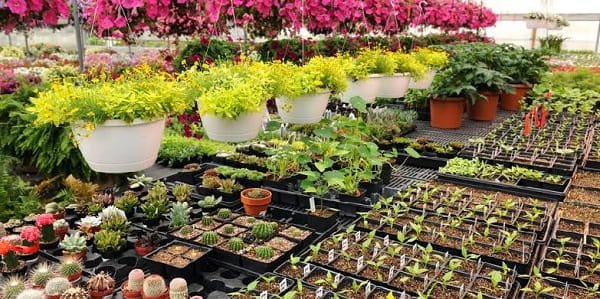
A Business Connected to Lifestyle and Environment
India’s gardening and landscaping culture has expanded rapidly over the last decade.
Several factors continue driving nursery demand:
- Growth of urban gardening
- Rising environmental awareness
- Expansion of real-estate landscaping
- Social media home décor trends
- Government plantation initiatives
- Increasing interest in organic and terrace farming
Many people today see plants as part of wellness and lifestyle rather than simple decoration.
Types of Nursery Businesses
Ornamental Plant Nursery
Indoor plants, flowering plants, decorative pots, and landscaping greenery.
Fruit and Agricultural Sapling Nursery
Mango, guava, coconut, banana, and farming-related plants.
Herbal and Medicinal Plant Nursery
Tulsi, aloe vera, neem, and Ayurvedic plants.
Exotic and Rare Plant Nursery
Imported ornamental plants and premium collections.
Landscaping Nursery Business
Supplying plants for commercial projects and gardens.
Organic Kitchen Garden Nursery
Vegetable saplings and terrace farming products.
Investment Required: Low to Moderate
Plant nursery businesses are relatively flexible in terms of investment.
A small nursery setup may require ₹1–5 lakh including:
- Land or rented space
- Pots and containers
- Seeds and saplings
- Water systems
- Shade nets and fertilizers
- Branding and local marketing
A larger commercial nursery with greenhouse infrastructure and landscaping supply may require ₹20 lakh–₹2 crore or more depending on scale and automation.
Many successful nurseries begin small and expand gradually.
Revenue and Profit Potential
Plant nursery businesses can become highly profitable because plants often carry strong retail margins.
Revenue sources may include:
- Plant sales
- Landscaping contracts
- Garden maintenance services
- Pots and gardening accessories
- Organic fertilizers and soil products
- Online plant delivery
For example:
- Rare ornamental plants often command premium pricing.
- Landscaping projects create high-value commercial contracts.
- Gardening accessories improve average customer spending.
A well-managed nursery business can generate strong monthly revenue. Net profit margins generally range between 20–50% depending on plant category, location, and customer base.
Nurseries with strong urban branding and landscaping services often perform especially well.
What Makes This Business Successful
Healthy Plant Quality
Customers quickly notice poorly maintained plants.
Plant Variety
Wider selection attracts both casual buyers and serious gardeners.
Good Location and Display
Visual appeal strongly influences plant sales.
Gardening Knowledge
Customers value guidance on plant care and maintenance.
Seasonal Planning
Different plants sell strongly during different times of the year.
Challenges to Prepare For
Weather and Climate Risks
Extreme heat, heavy rain, or pests can damage inventory.
Plant Maintenance
Unsold plants still require regular care and watering.
Seasonal Demand Fluctuation
Some categories sell heavily during festivals or winter gardening seasons.
Pest and Disease Management
Plant infections can spread quickly across nursery stock.
Competition From Online Sellers
E-commerce plant stores are growing rapidly.
Nurseries that focus on plant quality and customer experience usually build stronger long-term loyalty.
How to Increase Profitability
Add Landscaping Services
Commercial and residential landscaping improves revenue significantly.
Sell Online Through Instagram and E-Commerce
Plant visuals perform extremely well on social media.
Offer Gardening Workshops
Workshops create additional income and community engagement.
Add Pots, Soil, and Gardening Accessories
Bundled products improve profitability.
Focus on Exotic and Indoor Plants
Urban customers increasingly prefer decorative low-maintenance plants.
Nursery Business vs Traditional Farming
Traditional farming usually depends heavily on large-scale crop production and seasonal harvest cycles. Nursery businesses focus more on retail plant sales, landscaping demand, and lifestyle-driven purchases.
This creates better branding and direct-customer opportunities.
However, plant care and inventory maintenance remain continuous responsibilities.
The Future of Nursery Business in India
The future looks extremely promising. Urban gardening, terrace farming, eco-friendly living, and wellness-focused lifestyles continue expanding rapidly across India.
At the same time, real-estate landscaping, resort development, and sustainable architecture trends are increasing commercial demand for plants and greenery.
Indoor plants and decorative gardening products are also becoming increasingly popular among younger urban consumers.
The Verdict: A Green Lifestyle Business With Strong Emotional and Commercial Demand
Plant nursery businesses are no longer limited to roadside sapling sellers and seasonal gardening shops. They have evolved into modern lifestyle and environmental businesses connected closely to wellness, home décor, sustainability, and urban living.
Entrepreneurs who maintain healthy plant quality, attractive presentation, strong customer relationships, and landscaping expertise often build highly profitable and emotionally rewarding businesses.
In a country where environmental awareness, urban gardening, and lifestyle-driven greenery trends continue growing steadily, nursery businesses are likely to remain one of India’s most sustainable and long-term entrepreneurial opportunities.
Frequently Asked Questions (FAQs)
Q: Which plants are most profitable in nursery business?
A: Indoor decorative plants, exotic ornamental plants, fruit saplings, bonsai, and landscaping plants often provide strong margins.
Q: Why are indoor plants becoming so popular in cities?
A: Because apartment living and social media décor trends have increased demand for compact decorative greenery.
Q: Is landscaping more profitable than ordinary plant selling?
A: In many cases yes. Landscaping contracts usually generate much higher project value compared to individual retail plant sales.
Q: What is the biggest challenge in nursery business?
A: Maintaining plant health and managing weather-related risks are major challenges.
Q: Can small nurseries compete against large garden centers?
A: Absolutely. Many smaller nurseries succeed through plant quality, local trust, and personalized customer guidance.
Q: Is online selling useful for plant nursery businesses?
A: Very useful. Instagram, WhatsApp, and e-commerce platforms now help many nurseries attract customers and take plant orders directly online.