For many Indians, especially in small towns and semi-urban areas, local co-operative banks feel familiar and trustworthy. Families often keep their savings there for decades because the branch staff know them personally, the process feels simple, and the bank is deeply connected to the local community.
But financial history in India tells a worrying story.
Over the last several years, multiple co-operative banks across the country have faced restrictions, fraud allegations, liquidity crises, and even collapse-like situations. In many cases, ordinary depositors suddenly found themselves unable to withdraw their own money.
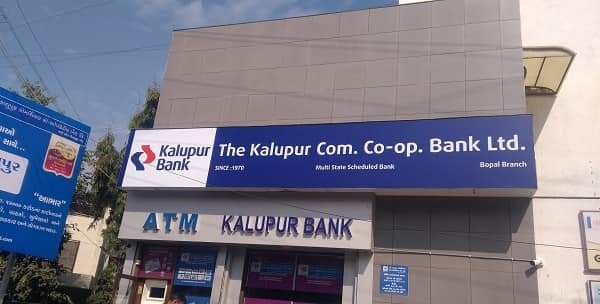
That is why financial experts increasingly warn against one dangerous mistake:
Keeping your entire life savings in a single small co-operative bank.
In 2026, the risk is still very real despite stronger regulation and RBI supervision.
Why People Trust Co-operative Banks So Much
Co-operative banks became popular because they often provide:
- Easy account opening
- Local language support
- Personal relationships
- Rural and semi-urban reach
- Attractive deposit interest rates
- Easier access for small traders and pensioners
Many customers feel emotionally attached to these institutions.
However, emotional trust and financial safety are not always the same thing.
The Biggest Risk: Weak Financial Stability
Unlike large national banks, many smaller co-operative banks have limited financial strength.
Problems can arise from:
- Poor loan recovery
- Local political influence
- Weak governance
- Fraud
- Concentrated lending
- Lack of professional risk management
Because their customer base and capital are smaller, even a moderate crisis can damage the bank severely.
Recent RBI reports and banking sector reviews continue highlighting governance and capital adequacy concerns in parts of the co-operative banking sector. (rbi.org.in)
What Happens When a Co-operative Bank Faces Trouble?
This is where depositors panic.
If the Reserve Bank of India detects serious problems, it may impose restrictions such as:
- Withdrawal limits
- Lending restrictions
- Management takeover
- Moratorium on operations
In practical terms, customers may suddenly lose easy access to their own money.
This has happened repeatedly in India over recent years.
The PMC Bank Crisis Became a Warning for Everyone
One of the biggest examples was the Punjab and Maharashtra Co-operative Bank crisis.
Thousands of depositors struggled after RBI imposed withdrawal restrictions due to alleged financial irregularities and hidden bad loans. Many families reportedly faced severe stress because large portions of their savings became inaccessible for long periods. (livemint.com)
The case changed public perception of co-operative bank safety across India.
Deposit Insurance Has Limits
Many people believe bank deposits are fully protected forever.
That is incorrect.
Under current rules of the Deposit Insurance and Credit Guarantee Corporation (DICGC), deposits are insured only up to ₹5 lakh per depositor per bank, including principal and interest. (dicgc.org.in)
Example
Suppose someone keeps:
- ₹28 lakh fixed deposit
- ₹7 lakh savings balance
Total:
₹35 lakh in one small co-operative bank.
If the bank collapses and liquidation happens, insurance protection generally covers only ₹5 lakh.
The remaining amount may remain stuck for years depending on recovery proceedings.
This is one of the biggest risks of concentration.
Higher Interest Rates Often Hide Higher Risk
Small co-operative banks sometimes offer FD interest rates slightly above larger banks.
This attracts retirees and conservative savers.
But higher rates can sometimes signal:
- Need for urgent deposits
- Liquidity pressure
- Aggressive fundraising
A difference of 1–2% extra interest is rarely worth risking an entire retirement corpus.
Senior Citizens Are Especially Vulnerable
Retired individuals are among the most affected when co-operative banks face restrictions.
Many senior citizens keep:
- Pension savings
- Medical emergency funds
- Retirement corpus
in a single local bank out of familiarity.
If withdrawals become restricted, immediate financial hardship can occur.
Co-operative Banks Are Not All Unsafe
This is important to understand.
India has many well-run and financially stable co-operative banks.
Some have operated responsibly for decades.
The problem is not the existence of co-operative banks themselves. The real danger is:
- Keeping all savings in one institution
- Ignoring financial concentration risk
Even strong institutions can face unexpected crises.
Why Diversification Matters
Financial safety improves when money is spread across different institutions.
Instead of keeping all savings in one bank, many financial planners recommend dividing funds across:
- Large public sector banks
- Major private banks
- Selected co-operative banks
- Liquid mutual funds
- Government-backed schemes
Diversification reduces the impact if one institution faces trouble.
RBI Supervision Has Increased — But Risk Still Exists
After major banking crises, RBI tightened oversight over urban co-operative banks.
Recent reforms introduced:
- Stronger governance norms
- Better auditing
- Tighter capital monitoring
- Improved supervisory powers
(rbi.org.in)
These changes improved the system compared to earlier years.
However, smaller banks can still remain vulnerable because local operational risks continue.
Warning Signs Depositors Should Watch
Extremely High FD Rates
If a small bank offers unusually high returns compared to major banks, caution is necessary.
Frequent Rumors About Withdrawal Problems
Repeated complaints about delayed withdrawals should never be ignored.
Sudden Management Changes
Unexpected resignations or administrative action can signal deeper issues.
Heavy Dependence on One Region or Business Sector
Small banks concentrated in one local economy become vulnerable during regional downturns.
Poor Digital Infrastructure
Weak technology systems may indicate limited operational strength.
Safer Strategy for Large Savings
Experts generally suggest:
- Avoid keeping more than insured limits in one smaller bank
- Spread deposits across institutions
- Keep emergency funds in highly liquid large banks
- Review bank financial health periodically
- Avoid chasing only high FD returns
This approach reduces risk without sacrificing financial flexibility.
Final Thoughts
Small co-operative banks continue playing an important role in India’s banking system, especially in rural and semi-urban areas. Many honest institutions serve local communities responsibly.
But keeping your entire life savings in a single small co-operative bank can become a serious financial risk.
The biggest danger is not low returns. The biggest danger is losing access to money exactly when you need it most.
In 2026, the smarter approach is balance — use co-operative banks if needed, but never let all your financial security depend entirely on one small institution.
FAQs
Q: Are all co-operative banks risky?
A: No. Many co-operative banks operate safely and responsibly. The main risk comes from concentrating all savings in one institution.
Q: How much bank deposit insurance is available in India?
A: DICGC insurance currently covers up to ₹5 lakh per depositor per bank, including interest. (dicgc.org.in)
Q: Can RBI stop withdrawals from a co-operative bank?
A: Yes. RBI can impose withdrawal restrictions if serious financial problems arise.
Q: Why do small co-operative banks offer higher FD rates?
A: Sometimes to attract deposits quickly, especially when funding pressure exists.
Q. Is it safe to keep retirement money only in one co-operative bank?
Financial experts generally advise against concentrating entire retirement savings in one small institution.
Q. What is the safest way to reduce banking risk?
Diversifying money across multiple financially strong institutions helps reduce concentration risk.
Q. Can depositors lose money beyond insured limits?
Yes. Amounts above the insured limit may remain exposed if recovery proceedings fail or take many years.