Infosys enters 2026 as one of India’s most respected and globally recognized IT services companies. From its early role in shaping India’s software exports to its current position as a leader in digital transformation, cloud, and consulting-led services, Infosys has consistently adapted to industry shifts. As enterprises worldwide navigate AI adoption, cost pressures, cybersecurity risks, and evolving delivery models, Infosys faces both strong tailwinds and meaningful challenges.
This SWOT analysis offers a detailed, professional evaluation of Infosys’ strategic position as it moves through 2026.
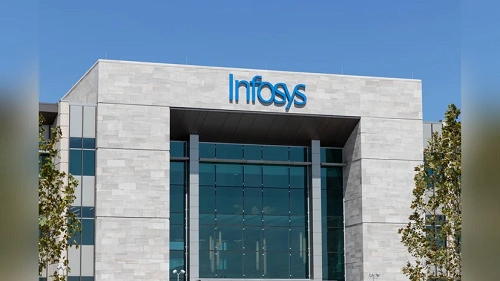
Company overview
| Aspect | Details |
| Company name | Infosys |
| Founded | 1981 |
| Founders | N. R. Narayana Murthy and six co-founders |
| Headquarters | Bengaluru, Karnataka, India |
| Industry | IT services, consulting, digital transformation |
| Key services | Application development, cloud, AI, data analytics, cybersecurity |
| Major clients | Global enterprises across BFSI, retail, manufacturing, telecom |
| Market presence | Global (North America, Europe, Asia-Pacific) |
| Business model | Global delivery model with consulting-led execution |
Strengths
Strong global brand and client trust
Infosys is among the most trusted IT services brands worldwide. Decades of consistent delivery, transparency, and governance have helped it build long-term relationships with global enterprises, particularly in highly regulated sectors like banking and insurance.
Leadership in digital transformation services
Infosys has successfully shifted from traditional IT outsourcing to higher-value digital services such as cloud migration, AI-led automation, data engineering, and enterprise modernization. These services form a growing share of revenue and support long-term relevance.
Robust financial position
Infosys maintains a strong balance sheet with healthy cash reserves, low debt, and consistent operating margins. This financial stability allows sustained investment in technology, talent, acquisitions, and shareholder returns.
Scalable global delivery model
The company’s global delivery model—combining offshore, nearshore, and onsite teams—enables cost efficiency and flexibility. This model remains attractive to clients seeking quality delivery at optimized costs.
Strong focus on governance and ESG
Infosys is widely respected for its corporate governance, ethical standards, and sustainability initiatives. Its ESG focus aligns well with global investor expectations and enterprise client requirements.
Weaknesses
Dependence on North American markets
A significant portion of Infosys’ revenue comes from North America. Economic slowdowns, reduced IT spending, or regulatory changes in this region can disproportionately impact growth.
Talent attrition and skill gaps
The IT industry continues to face high competition for digital and AI talent. Attrition, reskilling costs, and wage inflation remain ongoing challenges, particularly in niche, high-demand skill areas.
Slower growth during macro uncertainty
Infosys’ growth is sensitive to global economic cycles. During periods of uncertainty, enterprises delay discretionary IT spending, affecting deal ramp-ups and revenue visibility.
Limited product-based revenue
Infosys remains largely services-driven. Compared to product or platform-led companies, it has fewer scalable IP-led revenue streams, which limits margin expansion potential.
Opportunities
Enterprise adoption of artificial intelligence
AI-driven transformation is becoming a priority for global enterprises. Infosys’ investments in generative AI, automation platforms, and AI-first consulting position it well to capture this demand across industries.
Growth in cloud and cybersecurity services
As enterprises modernize legacy systems and strengthen cyber defenses, demand for cloud-native solutions and security services continues to rise. Infosys can expand high-margin offerings in these areas.
Large deal wins and vendor consolidation
Many enterprises are consolidating IT vendors to reduce complexity and cost. Infosys’ scale, credibility, and end-to-end capabilities make it a strong contender for large, long-term transformation contracts.
Expansion in Europe and emerging markets
While North America remains core, Europe, Asia-Pacific, and the Middle East offer growth opportunities. Diversifying geographic revenue can reduce regional concentration risk.
Strategic acquisitions and partnerships
Targeted acquisitions in AI, cloud platforms, engineering services, and consulting can accelerate capability building and strengthen Infosys’ value proposition.
Threats
Intense competition in IT services
Infosys competes with global IT majors, consulting firms, cloud-native players, and emerging startups. Price pressure and competition for large deals remain intense.
Rapid technological disruption
The pace of change in AI, automation, and software platforms is accelerating. Failure to adapt quickly or invest in the right technologies could weaken competitiveness.
Currency fluctuations
As a global services exporter, Infosys is exposed to foreign exchange volatility, which can impact reported revenues and margins.
Regulatory and data privacy challenges
Stricter data protection laws and cross-border regulations increase compliance costs and operational complexity, especially for global delivery models.
Client cost-cutting initiatives
During economic downturns, enterprises may renegotiate contracts, delay projects, or shift work in-house, impacting revenue growth.
What this SWOT reveals about Infosys
Infosys’ core strength lies in stability and credibility. Few IT services companies combine scale, governance, and technical depth as effectively. However, the next phase of growth demands faster innovation, deeper AI integration, and more consultative engagement with clients.
The company must continue shifting from effort-based billing toward value-based and outcome-driven models to protect margins and relevance.
Future outlook: Infosys in 2026 and beyond
By 2026, Infosys is expected to remain a leading global IT services provider, with AI, cloud, and digital transformation driving the bulk of new growth. While near-term growth may fluctuate with macro conditions, long-term demand for technology-led efficiency and innovation remains strong.
If Infosys successfully scales AI-led services, deepens client partnerships, and manages talent effectively, it can strengthen its position as a trusted digital transformation partner. The company’s future will depend not just on executing projects, but on shaping enterprise technology strategy in an increasingly AI-driven world.
In summary, Infosys enters 2026 with strong foundations, clear opportunities, and manageable risks—making it one of the most resilient players in the global IT services industry.