A few decades ago, mattresses in most Indian homes were treated as simple household necessities. People usually purchased cotton bedding or basic foam mattresses that lasted for years without much thought about comfort, posture, or sleep quality.
But consumer behaviour has changed dramatically.
Today, sleep is increasingly viewed as part of health and lifestyle rather than just rest. Urban consumers now talk about orthopedic support, memory foam, back pain relief, premium comfort, sleep wellness, cooling technology, and ergonomic mattresses. Social media advertising, hotel-style living expectations, rising disposable income, and modern apartment culture have transformed mattresses from low-interest household products into a fast-growing lifestyle industry.
At the same time, India’s housing growth, hotel expansion, healthcare infrastructure, and e-commerce boom continue creating strong demand for bedding products across multiple markets.
This shift has turned mattress manufacturing into one of India’s strongest consumer manufacturing businesses with both retail and institutional demand.
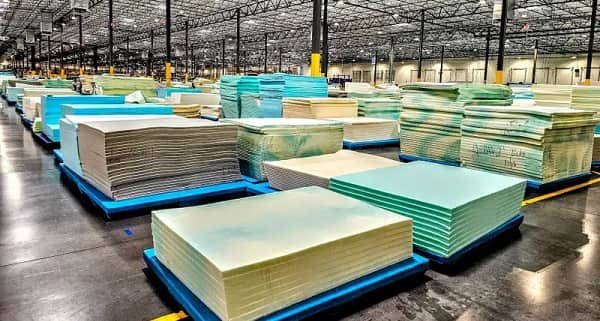
A Business Connected to Housing and Lifestyle Growth
Mattress demand naturally rises with urban housing expansion and lifestyle spending.
Several factors continue driving market growth:
- Rapid apartment construction
- Rising middle-class income
- Growing awareness about sleep health
- Expansion of hotels and hospitals
- E-commerce furniture sales growth
- Increasing replacement cycles
Consumers today are replacing mattresses more frequently than previous generations because of comfort and health awareness.
Types of Mattress Manufacturing Businesses
1. Foam Mattress Manufacturing
One of the largest categories in India.
2. Memory Foam Mattress Business
Premium comfort and orthopedic support products.
3. Spring Mattress Manufacturing
Popular in hotels and luxury residential markets.
4. Coir Mattress Manufacturing
Traditional natural-fiber mattresses still used widely.
5. Orthopedic Mattress Manufacturing
Health-focused products targeting back-support needs.
6. Customized and Luxury Mattress Brands
Premium sleep and wellness positioning.
Investment Required: Moderate to High
The investment depends heavily on production scale and technology level.
A small mattress manufacturing setup may require ₹15–40 lakh including:
- Foam cutting machines
- Quilting machines
- Sewing equipment
- Raw material stock
- Factory or workshop setup
- Packaging systems
A larger automated manufacturing unit may require ₹1 crore–₹10 crore or more depending on machinery and production capacity.
Branding and distribution also become major investments as businesses scale.
Raw Materials Used
Common materials include:
- PU foam
- Memory foam
- Coir
- Fabric and quilting materials
- Springs
- Latex
- Adhesives and protective layers
Material quality strongly affects comfort, durability, and customer satisfaction.
Revenue and Profit Potential
Mattress manufacturing can become highly profitable because products often carry strong branding and retail margins.
Revenue sources may include:
- Retail mattress sales
- Hotel and hospital supply contracts
- E-commerce sales
- Furniture-store distribution
- Customized mattress production
- Pillows and bedding accessories
For example:
- Premium orthopedic mattresses usually provide stronger margins.
- Online direct-to-consumer sales improve profitability significantly.
- Institutional bulk orders create recurring revenue opportunities.
A well-managed mattress manufacturing business can generate substantial monthly revenue. Net profit margins generally range between 15–35% depending on branding strength, raw material sourcing, and distribution efficiency.
Businesses with strong retail and online presence often scale especially fast.
What Makes This Business Successful
1. Product Comfort and Durability
Customers expect mattresses to last for years comfortably.
2. Strong Branding
Sleep products depend heavily on trust and perception.
3. Distribution Network
Furniture stores, dealers, and online platforms matter enormously.
4. Attractive Packaging and Presentation
Modern consumers increasingly value premium presentation.
5. Product Variety
Different price ranges help target wider customer segments.
Challenges to Prepare For
1. Heavy Competition
Large national mattress brands dominate many markets.
2. Raw Material Cost Fluctuation
Foam and fabric prices may change significantly.
3. Transportation Costs
Mattresses require large storage and delivery space.
4. Customer Expectations
Comfort preferences vary widely between buyers.
5. Dealer Margin Pressure
Retail distribution networks often expect high commissions.
Manufacturers who focus on quality and branding usually survive competition much better than low-cost unorganized players.
How to Increase Profitability
1. Build Direct-to-Consumer Online Sales
E-commerce reduces dependence on dealers.
2. Add Premium Sleep Products
Orthopedic and memory-foam categories improve margins.
3. Partner With Hotels and Builders
Institutional supply creates recurring bulk orders.
4. Offer Trial and Warranty Programs
Customers trust mattress brands more when risk feels lower.
5. Expand Into Bedding Accessories
Pillows, protectors, and bed linens improve average order value.
Mattress Manufacturing vs Furniture Business
Furniture businesses depend heavily on design and customization. Mattress manufacturing focuses more on comfort technology, materials, and large-scale repeat production.
This creates stronger branding and recurring replacement-market opportunities.
However, product testing and comfort consistency become extremely important.
The Future of Mattress Manufacturing in India
The future looks extremely strong. India’s housing market, wellness culture, and sleep-health awareness continue expanding rapidly.
Consumers are also increasingly shifting toward branded mattresses instead of local unorganized products.
At the same time, online mattress startups and premium sleep brands are changing how products are marketed and delivered across the country.
The Verdict: A Lifestyle Manufacturing Business With Strong Long-Term Demand
Mattress manufacturing is no longer just about producing bedding products. It has evolved into a modern comfort-and-wellness industry connected closely to housing, health, hospitality, and lifestyle spending.
Entrepreneurs who maintain strong product quality, smart branding, efficient distribution, and customer trust often build highly scalable consumer businesses.
In a country where millions of homes, apartments, hotels, and healthcare facilities continue growing — and where consumers increasingly care about sleep quality and comfort — mattress demand is likely to remain strong for decades ahead.
Frequently Asked Questions (FAQs)
Q1. Which mattress category is growing the fastest in India?
A: Memory foam and orthopedic mattresses are growing especially fast because of increasing health and comfort awareness.
Q2. Why are branded mattresses becoming more popular today?
A: Consumers now care more about durability, sleep quality, warranty support, and trusted product standards.
Q3. Is online selling important in mattress business?
A: Very important. Many modern mattress brands are growing rapidly through direct online sales and home-delivery models.
Q4. What is the biggest challenge in mattress manufacturing?
A: Competing against established brands while maintaining consistent product quality is a major challenge.
Q5. Can small mattress manufacturers compete against national companies?
A: Yes. Many regional manufacturers succeed through local dealer relationships, competitive pricing, and customized products.
Q6. Is this business dependent only on residential customers?
A: No. Hotels, hospitals, hostels, PG accommodations, and real-estate projects also create major institutional demand.