India has always had a deep connection with water-based livelihoods. From coastal fishing communities to inland ponds and village fisheries, aquaculture has been part of the country’s food economy for generations. But over the last two decades, the industry has changed dramatically.
What was once seen mainly as traditional fish farming has now evolved into a large commercial business driven by technology, exports, rising seafood consumption, and scientific farming methods.
Today, aquaculture in India includes fish farming, shrimp farming, ornamental fish breeding, crab culture, pearl farming, and high-value aquatic products supplied to both domestic and international markets. At the same time, rising demand for protein-rich food, population growth, and increasing seafood exports have made aquaculture one of India’s fastest-growing agricultural industries.
Unlike many farming businesses that depend entirely on seasonal crops, aquaculture offers multiple production cycles and export opportunities with relatively high market demand.
This has turned aquaculture into one of India’s most profitable and scalable agro-based business sectors.
A Business Connected to Food Demand and Exports
India is one of the world’s major seafood-producing countries.
Several factors continue driving aquaculture growth:
- Rising seafood consumption
- Growing health and protein awareness
- Strong export demand
- Government support for fisheries
- Increasing commercial fish farming
- Expansion of cold-chain infrastructure
Fish and seafood remain important dietary staples across many Indian states and international markets.
Types of Aquaculture Businesses
1. Freshwater Fish Farming
Rohu, catla, tilapia, pangasius, and carp farming.
2. Shrimp Farming
One of the most profitable export-oriented aquaculture sectors.
3. Ornamental Fish Business
Breeding aquarium and decorative fish species.
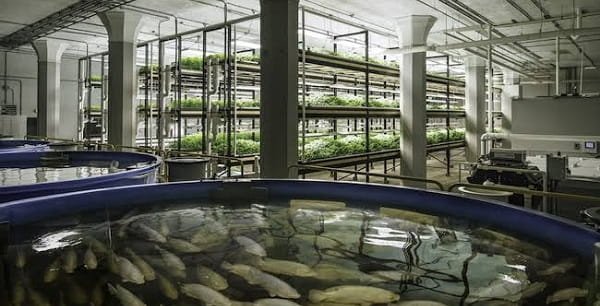
4. Biofloc Fish Farming
Modern intensive fish farming using controlled tank systems.
5. Crab and Prawn Farming
High-value seafood farming for premium markets.
6. Integrated Aquaculture Farming
Combining fish farming with poultry, agriculture, or duck farming.
Investment Required: Moderate to High
The investment depends heavily on farming scale and species selection.
A small fish farming setup may require ₹5–20 lakh including:
- Pond or tank construction
- Fingerlings or seed stock
- Feed and water systems
- Aeration equipment
- Labour and maintenance
A larger commercial shrimp or intensive aquaculture project may require ₹50 lakh–₹5 crore or more depending on land, technology, and export infrastructure.
Water quality management is one of the biggest operational factors in this business.
Revenue and Profit Potential
Aquaculture can become highly profitable because seafood demand remains strong throughout the year.
Revenue sources may include:
- Fish and shrimp sales
- Export contracts
- Hatchery operations
- Ornamental fish sales
- Processed seafood products
- Feed and breeding services
For example:
- Shrimp farming often generates very high export earnings.
- Biofloc systems improve production density and land efficiency.
- Ornamental fish businesses can achieve strong niche margins.
A well-managed aquaculture business can generate substantial seasonal and yearly profits. Net profit margins generally range between 20–50% depending on species, feed costs, survival rates, and market pricing.
Export-oriented shrimp farms often achieve especially high profitability.
What Makes This Business Successful
1. Water Quality Management
Healthy aquatic environments directly affect survival and growth rates.
2. Feed Efficiency
Feed cost is one of the largest operational expenses.
3. Disease Control
Aquatic diseases can cause major financial losses quickly.
4. Market and Distribution Access
Cold-chain and transportation systems are extremely important.
5. Technical Knowledge
Modern aquaculture increasingly depends on scientific farming methods.
Challenges to Prepare For
1. Disease Outbreaks
Fish and shrimp diseases can damage entire production cycles.
2. Feed Cost Fluctuation
Aquaculture feed prices may rise significantly.
3. Water and Environmental Risks
Floods, contamination, and climate conditions can affect production.
4. Export Market Dependence
International pricing fluctuations impact some sectors heavily.
5. Initial Technical Learning Curve
Modern farming systems require proper management skills.
Farmers who invest in water-quality monitoring and scientific management usually perform much better long term.
How to Increase Profitability
1. Focus on High-Value Species
Shrimp, crab, and ornamental fish often provide stronger margins.
2. Use Biofloc or Intensive Farming Systems
Improved productivity increases profitability per acre.
3. Add Cold Storage and Processing
Value addition improves market pricing significantly.
4. Build Direct Market Connections
Hotels, exporters, and seafood wholesalers improve revenue stability.
5. Diversify Farming Activities
Integrated aquaculture reduces operational risk.
Aquaculture vs Traditional Agriculture
Traditional crop farming often depends heavily on weather cycles and land productivity. Aquaculture uses water-based production systems and can generate very high output within smaller areas under proper management.
This creates stronger income potential in some cases.
However, aquaculture also involves higher biological risk and technical management requirements.
The Future of Aquaculture Business in India
The future looks extremely strong. India’s seafood exports, domestic protein demand, and aquaculture technology adoption continue expanding rapidly.
Government fisheries programmes, cold-chain development, and modern hatchery systems are also supporting industry growth.
At the same time, sustainable aquaculture practices and scientific farming techniques are likely to shape the next phase of the industry.
The Verdict: A High-Growth Agro Business With Strong Domestic and Export Demand
Aquaculture is no longer limited to traditional fishing ponds and small village operations. It has evolved into a modern commercial farming industry connected closely to exports, food security, and high-protein nutrition demand.
Entrepreneurs and farmers who maintain strong water management, disease control, technical knowledge, and market access often build highly profitable long-term businesses.
In a country where seafood demand continues growing both domestically and internationally, aquaculture is likely to remain one of India’s most important and fast-expanding agro-industrial sectors for years ahead.
Frequently Asked Questions (FAQs)
Q1. Which aquaculture sector is considered most profitable in India?
A: Shrimp farming is often considered one of the most profitable segments because of strong export demand and high market value.
Q2. Why is water quality so important in aquaculture?
A: Poor water conditions can quickly cause disease outbreaks, slow growth, and heavy stock losses.
Q3. Is aquaculture suitable only for coastal areas?
A: No. Freshwater fish farming and biofloc systems can operate successfully in inland regions as well.
Q4. What is the biggest challenge in aquaculture business?
A: Disease management and feed cost control are among the biggest operational challenges.
Q5. Can small farmers start aquaculture with limited investment?
A: Yes. Many small farmers begin with pond-based fish farming or small biofloc systems before scaling gradually.
Q6. Is seafood demand increasing in India?
A: Yes. Rising health awareness, protein consumption, and export demand continue driving strong growth in the seafood industry.