A few decades ago, most construction projects in India focused mainly on buildings themselves. Open spaces, gardens, pathways, water features, and outdoor aesthetics were often treated as secondary additions. But modern real-estate culture has changed dramatically.
Today, people no longer want only apartments, offices, hotels, or resorts — they want visually beautiful environments around them. Green spaces, luxury gardens, rooftop landscapes, eco-friendly campuses, urban parks, resort-style outdoor areas, and premium villa landscaping have become major parts of modern architecture and lifestyle design.
At the same time, India’s urbanisation, smart-city projects, luxury housing growth, and environmental awareness are creating strong demand for professional landscape planning and outdoor design services.
This has transformed landscape architecture from a niche design profession into one of India’s fastest-growing premium construction and lifestyle businesses.
Unlike ordinary gardening businesses, landscape architecture combines creativity, technical planning, environmental understanding, construction coordination, and aesthetic design into one specialized service industry.
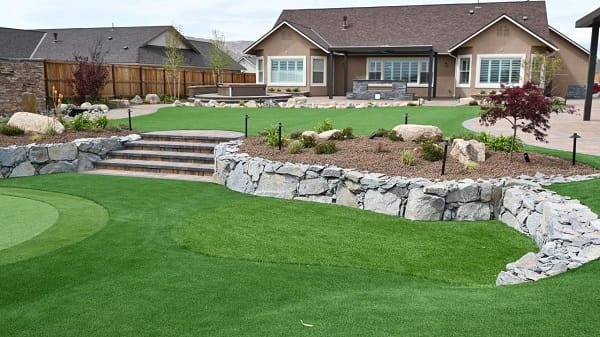
A Business Connected to Real Estate and Lifestyle Aspirations
Modern buyers increasingly value outdoor aesthetics and green environments.
Several factors continue driving industry growth:
- Expansion of luxury real estate
- Growth of resorts and hospitality industry
- Rising urban landscaping projects
- Increasing environmental awareness
- Demand for premium villa and farmhouse design
- Smart-city and public-space development
Builders today often use landscaped spaces as major selling points in premium projects.
Types of Landscape Architecture Businesses
Residential Landscape Design
Gardens, villas, terraces, balconies, and farmhouse landscaping.
Commercial Landscape Projects
Corporate campuses, malls, office parks, and public spaces.
Resort and Hospitality Landscaping
Hotels, luxury resorts, and tourism properties.
Urban Landscape Planning
Parks, streetscapes, public gardens, and smart-city projects.
Sustainable and Eco-Friendly Landscaping
Rainwater systems, native plants, and green infrastructure projects.
Rooftop and Vertical Garden Design
Modern urban greenery solutions for compact spaces.
Investment Required: Moderate and Skill-Focused
Landscape architecture businesses depend more on creativity, planning, and execution networks than heavy manufacturing machinery.
A small landscape design studio may require ₹3–10 lakh including:
- Office or studio setup
- Design software
- Marketing and branding
- Site-visit transportation
- Basic staff and operations
A larger professional landscape firm handling luxury and commercial projects may require ₹25 lakh–₹2 crore or more depending on team size and project scale.
Execution partnerships with contractors and nurseries become extremely important.
Revenue and Profit Potential
Landscape architecture can become highly profitable because premium outdoor design projects often carry large budgets.
Revenue sources may include:
- Landscape design consultancy
- Project execution management
- Garden and outdoor installations
- Resort landscaping projects
- Rooftop garden systems
- Maintenance and AMC contracts
For example:
- Luxury villa landscaping usually generates strong margins.
- Commercial campuses often create large recurring contracts.
- Sustainable landscaping projects are becoming increasingly valuable.
A well-positioned landscape architecture business can generate substantial monthly revenue. Net profit margins generally range between 20–45% depending on project scale, design expertise, and contractor management.
Firms specializing in premium projects often scale especially fast.
What Makes This Business Successful
Strong Design Creativity
Clients expect visually attractive and functional outdoor spaces.
Technical Planning Ability
Drainage, irrigation, plant selection, and structural coordination are extremely important.
Project Execution Network
Reliable contractors and plant suppliers directly affect project quality.
Understanding of Climate and Environment
Plant survival and sustainability matter heavily.
Premium Client Relationships
Luxury residential and hospitality clients often generate repeat referrals.
Challenges to Prepare For
Seasonal and Weather Risks
Outdoor projects depend heavily on climate conditions.
Project Coordination Complexity
Landscape work often overlaps with civil construction timelines.
Skilled Labour Dependency
Execution quality depends on experienced workers and supervisors.
Client Expectation Pressure
Luxury clients often demand highly customized designs.
Delayed Payments in Construction Sector
Large projects may involve long payment cycles.
Landscape firms that combine creative design with reliable execution usually build stronger reputation over time.
How to Increase Profitability
Focus on Premium Residential Projects
Luxury villas and farmhouses often provide stronger margins.
Add Maintenance Contracts
Garden maintenance creates recurring monthly income.
Partner With Architects and Builders
Construction referrals improve project flow significantly.
Expand Into Sustainable Landscaping
Eco-friendly projects are becoming increasingly popular.
Build Strong Visual Portfolio Online
Before-and-after project visuals attract clients very effectively.
Landscape Architecture vs Gardening Business
Gardening businesses usually focus mainly on plant maintenance and basic outdoor work. Landscape architecture involves large-scale planning, design, aesthetics, engineering coordination, and environmental functionality.
This creates stronger premium pricing opportunities.
However, landscape architecture also requires higher technical knowledge and project management capability.
The Future of Landscape Architecture Business in India
The future looks extremely promising. India’s luxury housing market, hospitality industry, eco-conscious urban planning, and wellness-focused lifestyles continue expanding rapidly.
Cities are increasingly investing in parks, public spaces, green infrastructure, and sustainable development projects.
At the same time, homeowners are becoming more interested in outdoor living spaces, terrace gardens, and nature-focused architecture.
The Verdict: A Premium Design Business Driven by Urban Lifestyle and Sustainability
Landscape architecture is no longer limited to decorative gardening around buildings. It has evolved into a sophisticated design-and-planning industry connected closely to real estate, sustainability, hospitality, and luxury living.
Entrepreneurs and designers who combine strong creativity, technical execution, environmental understanding, and premium client handling often build highly profitable long-term businesses.
In a country where urbanisation continues accelerating while demand for greener and more aesthetic living environments also rises, landscape architecture is likely to remain one of India’s strongest modern design-business opportunities.
Frequently Asked Questions (FAQs)
Q: Which landscape projects are usually the most profitable?
A: Luxury villas, resorts, commercial campuses, and premium farmhouse landscaping projects often provide the strongest margins.
Q: Why are builders investing more in landscaping today?
A: Because attractive outdoor spaces improve property value, customer appeal, and premium project branding.
Q: Is plant knowledge important in landscape architecture?
A: Very important. Climate suitability, maintenance requirements, and long-term plant survival directly affect project success.
Q: What is the biggest challenge in this business?
A: Coordinating outdoor execution work with construction timelines and maintaining design quality are major challenges.
Q: Can small landscape studios compete against large firms?
A: Absolutely. Many smaller studios grow successfully through creative designs, premium personalization, and strong local reputation.
Q: Is sustainable landscaping becoming popular in India?
A: Yes. Water-efficient gardens, native plants, rooftop greenery, and eco-friendly landscape designs are seeing increasing demand across urban projects.