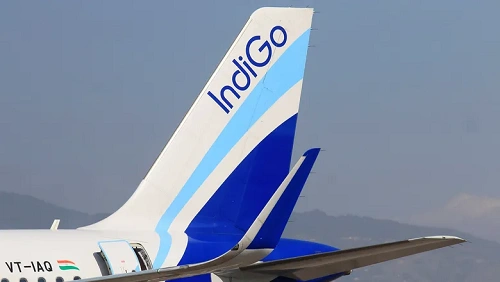
IndiGo has reshaped how India flies. What started as a low-cost carrier with a narrow focus on punctuality and efficiency has grown into the country’s largest airline by market share. Its success is not built on luxury or frills, but on operational discipline, scale, and consistency. For millions of passengers, IndiGo represents reliability—on-time departures, wide network coverage, and predictable pricing.
By 2026, IndiGo operates in a far more complex aviation environment. Demand is strong, fleets are expanding, and international ambitions are rising. At the same time, cost pressures, regulatory scrutiny, and global volatility remain constant threats. This SWOT analysis offers a premium, structured evaluation of IndiGo’s position as India’s dominant airline.
Company overview
| Aspect | Details |
| Airline name | IndiGo |
| Founded | 2006 |
| Founders | Rahul Bhatia, Rakesh Gangwal |
| Headquarters | Gurugram, Haryana, India |
| Industry | Aviation |
| Business model | Low-cost carrier (LCC) |
| Fleet type | Single-aisle, fuel-efficient aircraft |
| Market position | India’s largest airline by market share |
| Core focus | Cost efficiency, punctuality, network scale |
Strengths
Market leadership and scale advantage
IndiGo holds the largest share of India’s domestic aviation market. This scale gives it strong bargaining power with aircraft manufacturers, airports, and service providers, translating into lower unit costs than competitors.
Strong low-cost operating model
IndiGo’s disciplined cost structure is its biggest strength. A simplified fleet, high aircraft utilization, and lean operations allow the airline to remain profitable even when ticket prices are under pressure.
Reputation for punctuality and reliability
Among Indian airlines, IndiGo is widely known for on-time performance and operational consistency. This reliability builds repeat usage among business and leisure travelers alike.
Extensive domestic network
IndiGo’s dense route network across metros, tier-II, and tier-III cities ensures high load factors and strong demand capture, especially on short-haul routes.
Large aircraft order book
IndiGo has placed one of the largest aircraft orders in global aviation history. This signals long-term confidence in demand and supports cost-efficient fleet expansion over the next decade.
Weaknesses
High dependence on the domestic market
A significant portion of IndiGo’s revenue comes from domestic operations. While strong, this increases exposure to India-specific economic cycles and regulatory decisions.
Limited premium and long-haul presence
IndiGo’s low-cost model limits its ability to capture high-yield premium passengers and long-haul international traffic, where margins can be higher.
Sensitivity to fuel prices
Fuel is the single largest cost for airlines. Despite efficiency, IndiGo remains vulnerable to sharp fuel price increases and taxation differences across states.
Thin margins inherent to LCC model
The low-cost model delivers volume but leaves little margin for error. Operational disruptions or prolonged price wars can quickly impact profitability.
Opportunities
International expansion
Short- and medium-haul international routes in Asia, the Middle East, and beyond offer growth opportunities. These routes can diversify revenue and improve yields.
Growth in air travel penetration
India’s air travel penetration remains low. Rising incomes, urbanization, and better airport infrastructure support long-term passenger growth.
Ancillary revenue growth
Add-ons such as seat selection, baggage fees, meals, and partnerships can improve per-passenger revenue without significantly increasing costs.
Fleet modernization and efficiency
New-generation aircraft improve fuel efficiency, reduce maintenance costs, and support environmental compliance, strengthening long-term economics.
Cargo and logistics services
E-commerce and time-sensitive shipments offer opportunities to expand cargo operations using existing network capacity.
Threats
Fuel price volatility and geopolitical risk
Global oil price fluctuations and geopolitical instability directly impact operating costs and route economics.
Regulatory and policy uncertainty
Changes in taxation, airport charges, environmental norms, or labor regulations can materially affect profitability.
Intensifying competition
Competition from full-service carriers, new entrants, and revived airlines can trigger fare wars and margin pressure.
Infrastructure constraints
Airport congestion, slot availability, and air traffic control limitations can affect on-time performance and expansion plans.
Economic slowdown impact
Air travel is discretionary. Economic stress can reduce passenger demand, especially in leisure travel.
What this SWOT reveals about IndiGo
IndiGo’s core advantage is execution. It does not rely on brand glamour or luxury positioning. Instead, it wins through consistency, cost leadership, and network density. This makes it structurally stronger than most competitors in a price-sensitive market like India.
However, dominance brings new challenges. As the airline grows, complexity increases. The next phase requires balancing scale with flexibility, and efficiency with diversification.
Future outlook: IndiGo beyond 2026
Looking ahead, IndiGo is expected to remain the backbone of Indian domestic aviation. Its growth will be driven by fleet expansion, deeper penetration into smaller cities, and gradual international scaling.
The airline’s long-term success will depend on managing fuel risk, expanding ancillary revenues, and carefully stepping into international markets without diluting its cost discipline. If executed well, IndiGo can evolve from India’s largest airline into one of Asia’s most efficient aviation platforms.
In conclusion, IndiGo in 2026 stands as a case study in operational excellence—dominant in scale, disciplined in costs, and well positioned to benefit from India’s long-term aviation growth, even as industry risks remain structurally high.