A few decades ago, kitchens in most Indian homes were designed mainly for utility. Cement shelves, basic wooden cabinets, and simple storage spaces were considered normal. But modern urban lifestyles have changed how people think about kitchens completely.
Today, kitchens are no longer hidden corners used only for cooking. They have become part of modern interior design, lifestyle, convenience, and even social status. Homeowners now want stylish cabinets, soft-close drawers, space-saving storage, premium finishes, built-in appliances, and smart layouts that improve both appearance and functionality.
At the same time, India’s real-estate growth, rising middle-class income, apartment culture, and interior-design trends are creating massive demand for modular kitchens across cities and even smaller towns.
This has transformed modular kitchen manufacturing from a niche carpentry service into one of India’s fastest-growing home-interior businesses.
Unlike many seasonal businesses, modular kitchens benefit from continuous housing demand, renovations, and lifestyle upgrades.
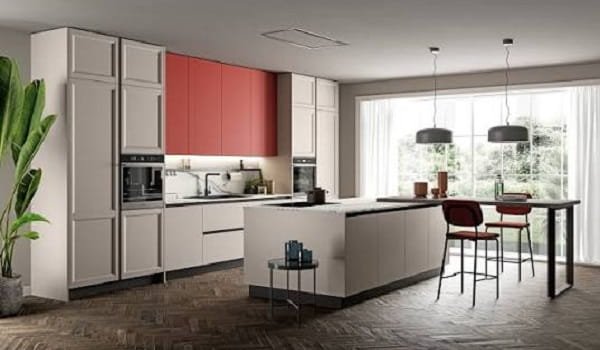
A Business Connected to Urban Housing and Lifestyle Trends
Modern Indian consumers increasingly invest in home interiors and convenience-focused living spaces.
Several factors continue driving demand:
- Rapid apartment construction
- Growth of middle-class housing
- Rising interior-design awareness
- Increasing nuclear families
- Demand for space-saving solutions
- Growth of premium home décor culture
People today often treat kitchens as one of the most important parts of home design.
Types of Modular Kitchen Businesses
1. Budget Modular Kitchen Manufacturing
Affordable kitchen solutions for middle-income households.
2. Premium Luxury Kitchen Manufacturing
High-end finishes, imported fittings, and designer layouts.
3. Customized Kitchen Solutions
Tailor-made kitchens based on customer space and preferences.
4. Factory-Made Modular Kitchens
Mass-manufactured modular units for builders and projects.
5. Stainless Steel Modular Kitchens
Durable kitchens popular in some commercial and premium segments.
6. Smart Kitchen and Interior Solutions
Integrated appliances and modern storage innovations.
Investment Required: Moderate to High
Modular kitchen businesses require machinery, workshop setup, and design capability.
A small workshop setup may require ₹10–30 lakh including:
- Cutting and edge-banding machines
- Plywood and hardware stock
- Design software
- Skilled labour
- Workshop space
- Transportation and installation tools
A larger factory setup with automation may require ₹1 crore–₹10 crore or more depending on scale and machinery.
Interior showroom investment may also become important for premium branding.
Raw Materials Used
Common materials include:
- Plywood
- MDF and particle board
- Laminates and acrylic sheets
- Aluminum and steel fittings
- Hinges and drawer channels
- Glass and quartz surfaces
Material quality strongly affects durability and customer satisfaction.
Revenue and Profit Potential
Modular kitchen businesses can become highly profitable because projects often involve premium customization and design-based pricing.
Revenue sources may include:
- Kitchen manufacturing
- Installation services
- Interior upgrades
- Builder and apartment projects
- Appliance integration
- Maintenance and renovation work
For example:
- Premium kitchens usually generate very strong margins.
- Builder partnerships create recurring project flow.
- Full-home interior packages increase billing value significantly.
A well-managed modular kitchen business can generate substantial monthly revenue. Net profit margins generally range between 20–40% depending on manufacturing efficiency, material sourcing, and branding strength.
Businesses targeting premium urban customers often perform especially well.
What Makes This Business Successful
1. Design Quality and Aesthetics
Customers care heavily about modern appearance and layout efficiency.
2. Precision Manufacturing
Measurements and finishing must be highly accurate.
3. Strong Installation Team
Poor installation can damage customer trust quickly.
4. Material Durability
Kitchen environments involve heat, moisture, and heavy daily usage.
5. Customer Experience
Home-interior businesses depend heavily on referrals and reputation.
Challenges to Prepare For
1. High Competition
Many local carpenters and modular brands compete aggressively.
2. Customer Customization Demands
Every kitchen project may require unique designs and adjustments.
3. Material Price Fluctuation
Plywood, laminates, and fittings can become expensive.
4. Delayed Project Timelines
Interior projects often face coordination issues with construction work.
5. Skilled Labour Requirement
Precision manufacturing requires experienced workers.
Businesses that maintain finishing quality and timely delivery usually build strong word-of-mouth reputation.
How to Increase Profitability
1. Partner With Builders and Interior Designers
Real-estate projects create consistent customer flow.
2. Add Full Interior Solutions
Wardrobes and furniture packages improve revenue significantly.
3. Create Premium Showroom Experience
Visual presentation strongly influences customer decisions.
4. Use 3D Design Visualization
Customers prefer seeing kitchen layouts before production.
5. Focus on After-Sales Service
Good support improves referrals and repeat renovation work.
Modular Kitchen Business vs Traditional Carpentry Business
Traditional carpentry focuses mainly on manual custom furniture work. Modular kitchen businesses combine manufacturing, interior design, modern fittings, and factory-style precision systems.
This creates stronger branding and scaling opportunities.
However, customer expectations regarding aesthetics and finishing are also much higher.
The Future of Modular Kitchen Business in India
The future looks extremely strong. India’s apartment culture, urban housing expansion, and premium home-improvement spending continue growing rapidly.
At the same time, social media and interior-design trends are making modular kitchens aspirational for many middle-class families.
Smart storage systems, premium finishes, and integrated appliances are also creating new high-margin opportunities in the market.
The Verdict: A Lifestyle and Interior Business With Strong Urban Demand
Modular kitchen manufacturing is no longer just furniture production. It has evolved into a modern home-lifestyle business connected closely to real estate, architecture, and interior design culture.
Entrepreneurs who maintain strong design capability, quality manufacturing, professional installation, and customer trust often build highly scalable businesses with strong long-term demand.
In a country where millions of new homes and apartments continue being built every year — and where homeowners increasingly value convenience, aesthetics, and modern living — modular kitchens are likely to remain one of India’s strongest interior-design business opportunities.
Frequently Asked Questions (FAQs)
Q1. Why are modular kitchens becoming so popular in India?
A: Because they provide better space management, modern appearance, easier maintenance, and organized storage solutions for urban homes.
Q2. Which customers usually spend the most on modular kitchens?
A: Premium apartment owners, luxury homeowners, and urban upper-middle-class families often invest heavily in kitchen interiors.
Q3. Is showroom setup important in this business?
A: Very important. Customers usually want to physically see designs, finishes, and layouts before placing orders.
Q4. What is the biggest challenge in modular kitchen manufacturing?
A: Maintaining precise finishing quality and handling customized project demands are major challenges.
Q5. Can small modular kitchen businesses compete against large brands?
A: Absolutely. Many smaller businesses succeed through personalized design, local relationships, and flexible customization.
Q6. Is this business only dependent on new house construction?
A: No. Renovation and kitchen-remodeling projects also generate huge demand, especially in urban areas.