Key Takeaways
- Know Your Competitors: Focus on sites ranking for your key keywords.
- Spot Keyword Gaps: Identify terms competitors rank for that you don’t.
- Assess Content & Backlinks: Learn from top-performing pages and authoritative links.
- Check Technical SEO & UX: Ensure fast, mobile-friendly, and easy-to-navigate sites.
- Monitor Social Engagement: See what drives traffic and visibility.
- Take Action: Prioritize gaps, optimize content, and consistently track progress.
To outperform your competition, you must go beyond simply optimizing your website and understand where your competitors are succeeding. A competitive SEO analysis provides actionable insights, helping you identify gaps in your strategy and discover new opportunities for growth. By closely examining what is working for others in your industry, you can shift your focus to high-impact tactics, speeding up your journey to the top of search rankings. For many businesses, boosting online visibility for growing brands is the difference between stagnation and consistent online growth.
Competitive SEO analysis is about learning, adapting, and executing. It involves monitoring your rivals, uncovering their winning strategies, and knowing where to make your next move. With this step-by-step guide, you will see how to conduct a thorough review that can transform your SEO approach and drive tangible results.
Identify Your Competitors
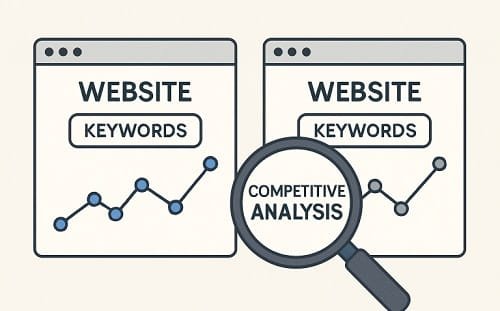
Begin your analysis by clearly identifying your online competitors. These are not limited to companies with similar products; they are any websites that rank for your primary and secondary target keywords. Use robust SEO tools to analyze overlap and pinpoint relevant rivals. List out these competitors, focusing on those who consistently appear on the first page of search results for your key search terms.
Keep in mind that your competition may come from blogs, news sites, directories, or marketplaces. Any site drawing the attention of your ideal search audience warrants your scrutiny. By understanding the competitive landscape, you can target your analysis where it will produce the best returns.
Analyze Competitors’ Keyword Strategies
Dive deeper by uncovering which keywords are bringing visitors to your competitors. Use keyword analysis tools to determine their highest-traffic terms and look for keyword gaps: topics they’re ranking for that you are not. Pay special attention to long-tail variations and low-competition keywords where you have a realistic chance of ranking. This data-driven insight helps you prioritize which new content to create or which existing posts may need optimization.
For maximum effectiveness, monitor how competitors use keywords in both on-page elements, such as titles and descriptions, and in their content. Regularly track changes, as priorities can shift quickly in dynamic markets. Successful keyword targeting is an ongoing process, not a one-time task, so build keyword monitoring into your SEO routine.
Evaluate Their Content Quality and Structure
Search engines reward valuable, relevant, and well-structured content. Evaluate your competitors’ content for depth, accuracy, and relevance to user intent. Look for patterns in their top-performing pages: Are they building authority through comprehensive guides, in-depth blog posts, or a mix of formats such as videos or infographics? Also, assess how they structure content, using headings, bullet points, and media to support readability and user engagement.
High-performing sites not only create content; they update it regularly and respond to shifting trends. Track how frequently your competitors publish, update, or prune their content, and look for indicators of user engagement, such as comments and social shares. These signs often correlate with strong rankings and lasting audience interest.
Examine Backlink Profiles
Analyze your competitors’ backlinks to understand how they are building authority. Backlinks from reputable, high-authority domains remain a critical ranking factor in Google’s algorithm. Use tools to map out their top referring domains and most linked content. Notice patterns in the type and source of backlinks. Are they earning mentions through guest posting, industry directories, or authoritative industry sites?
Identifying the best backlink sources gives you a list of target opportunities for your outreach or content marketing efforts. Strong links can open the door to faster ranking improvements, helping you leapfrog competitors in search results.
Assess Technical SEO Elements
Technical SEO forms the foundation of a successful search strategy. Thoroughly inspect your competitors’ websites, paying close attention to factors such as page speed, mobile-friendliness, clear, logical URL structures, secure HTTPS protocols, and proper use of structured data.
Addressing technical shortcomings is often one of the quickest ways to improve your rankings, reduce bounce rates, and provide a better user experience. Efficient technical SEO can set you apart, especially if competitors are lagging in this area.
Review User Experience (UX) and Design
User experience directly impacts engagement metrics that can influence search rankings, such as time on site and bounce rates. Evaluate your competitors’ site design through a visitor’s eyes: Is the navigation intuitive? Are calls to action clear and compelling? Is their site accessible and enjoyable to browse on all devices? Well-designed UX not only keeps users engaged but also creates a positive brand impression, indirectly supporting your SEO goals.
Consistent positive interaction typically reflects in higher rankings and more repeat visits. Tracking how competitors address UX lets you pinpoint improvements that delight visitors and elevate your own site’s appeal.
Monitor Social Media Presence
A vibrant social media presence helps reinforce brand visibility and can drive significant referral traffic. Track how your competitors utilize social channels: Which platforms are most active? What type of content gets the most engagement? Do they foster community through comments, shares, or direct interaction with their audience?
While the direct impact of social signals on rankings remains debated, there is a clear connection between robust social engagement and greater online visibility. Analyze what works best for your audience, then incorporate those successful tactics into your own promotions.
Develop an Action Plan
With actionable data from your competitive analysis in hand, it’s time to turn insight into strategy. Prioritize gap areas with the greatest potential for quick wins, like underutilized keywords or untapped backlink sources. From there, expand your goals to address on-page optimizations, technical improvements, and fresh content opportunities. Set benchmarks, track your progress with analytics, and adapt your plan as your search results improve.
The most effective SEO strategies are agile and continuous, responding to competitor moves and market changes. Regular competitive analysis not only maintains your competitive edge, but it also positions your brand for ongoing growth in search visibility and engagement.