Compounding is often called the “8th Wonder of the World”, and for good reason. It has the power to turn small, regular investments into large wealth over time. In the world of mutual funds, compounding plays a key role in helping investors achieve long-term financial goals such as retirement planning, buying a house, or building wealth for their children’s education. But many beginners still struggle to understand how compounding actually works. This guide explains the concept in a simple and practical way.
What is Compounding?
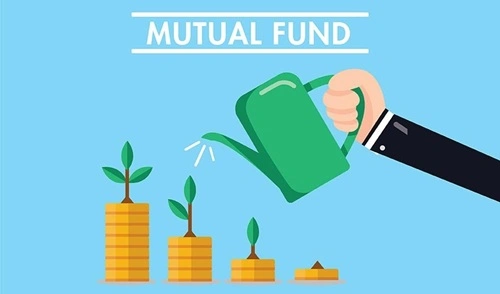
Compounding means earning returns not only on your initial investment but also on the returns you have already earned. In simple words:
Your money earns money—and then that money earns more money.
Over time, this creates a snowball effect that can significantly grow your investment portfolio.
How Compounding Works in Mutual Funds
Mutual funds invest your money in stocks, bonds, or other securities to generate returns. When those returns are reinvested, they start earning returns themselves. This continuous cycle leads to compounding.
Here’s how it works:
- You invest a certain amount.
- At the end of the period, you earn returns.
- The returns get added to your original investment.
- Next year, you earn returns on the new, bigger amount.
- This repeats year after year, growing your wealth faster.
This is why mutual funds, especially equity mutual funds, deliver strong long-term results.
SIP (Systematic Investment Plan) and Compounding
SIP is one of the best tools to benefit from compounding. When you invest regularly—monthly or yearly—your money gets more time in the market, which increases the compounding effect.
Why SIP enhances compounding:
- You invest small amounts consistently
- Each installment gets time to grow
- Market ups and downs average out
- Long-term holding maximizes growth
For example:
If you invest just ₹2,000 per month for 25 years at an average return of 12% per year, your total investment becomes ₹6 lakh, but compounding turns it into more than ₹25 lakh.
This is the magic of compounding.
Time: The Most Important Factor
Compounding works best when you give your money time to grow. The longer you stay invested, the greater your returns.
This is why experts say, “Time in the market is more important than timing the market.”
Example:
- Investing ₹1 lakh for 5 years at 12% will become around ₹1.76 lakh
- Investing the same ₹1 lakh for 20 years becomes around ₹9.64 lakh
Just by increasing the duration, the wealth grows many times.
Power of Reinvestment
When mutual funds distribute dividends or generate capital gains, they reinvest them automatically in growth plans. This reinvestment accelerates compounding.
There are two types of plans:
1. Growth Plan
- Returns stay invested
- Best for compounding
- Ideal for long-term wealth creation
2. IDCW (Dividend) Plan
- Returns are paid out to you periodically
- Reduces the compounding effect
If your goal is long-term growth, always prefer the growth option.
How Market Returns Impact Compounding
Compounding works even better when the market gives positive returns. Equity mutual funds offer higher return potential, so compounding is stronger over long periods.
Example:
At 8% annual returns
₹10 lakh becomes ₹46 lakh in 25 years
At 12% annual returns
₹10 lakh becomes ₹98 lakh in 25 years
A small difference in return rate dramatically changes the compounding effect.
Compounding and Risk Management
Compounding gives the best results when you stay invested during market fluctuations. Many investors panic during market downturns and withdraw their money early.
But early withdrawal breaks the compounding cycle.
To enjoy the full benefits:
- Stay invested for the long term
- Ignore short-term volatility
- Increase SIP when income grows
- Pick funds matching your risk profile
The more disciplined you are, the better compounding rewards you.
How to Maximize Compounding in Mutual Funds
Here are some smart strategies:
1. Start Early
Even small early investments grow significantly.
2. Stay Consistent
Never skip SIPs—even during market dips.
3. Choose Growth Option
Ensures reinvestment of profits.
4. Increase SIP Annually
A small step-up of 5–10% boosts long-term wealth.
5. Avoid Frequent Withdrawals
Breaks the compounding chain.
6. Invest in Long-Term Oriented Funds
Equity and hybrid funds benefit most from compounding.
Final Thoughts
Compounding is the engine that powers wealth creation in mutual funds. Whether you invest through SIP or lump sum, the key to maximizing compounding is time, consistency, and patience. By giving your investments enough time to grow and reinvesting your returns, you can build substantial wealth for the future.
Mutual funds may seem slow in the beginning, but over the years, compounding makes your money grow exponentially. Start early, stay disciplined, and let compounding do the magic.