Every small business owner knows that running a company involves facing unexpected challenges. Whether it is property damage, liability claims, or employee injuries, unforeseen events can disrupt operations and endanger your investment. Selecting the right coverage through business insurance is vital for protecting your assets and ensuring you can weather unexpected storms with confidence.
With the proper insurance policies in place, your business stands a much greater chance of recovering and thriving after adverse events. Choosing robust insurance coverage is more than just financial security; it is a proactive step toward resilience and sustainability. In today’s rapidly evolving market, understanding insurance options and staying up to date with policy changes is essential for every entrepreneur.
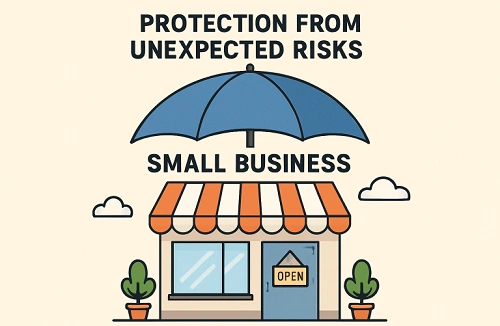
Many small businesses fail to realize the extent of risks they face until it is too late. From costly lawsuits stemming from customer injuries to losses from property damage, having the right coverage can mean the difference between continuity and closure. Setting aside time to regularly review and update your insurance policies is just as important as maintaining your physical workplace.
As more business owners switch to online solutions for their operations, digital insurance platforms have become increasingly popular, making it easier to secure customized coverage. Staying informed about the latest trends and risks in your industry will help you make educated decisions regarding the policies you need to protect your venture.
Understanding Small Business Insurance
Small business insurance is a collection of policies designed to shield your company from the financial impact of common risks, such as property and equipment damage, on-premises accidents, and employee injuries. These policies help ensure that, even in the face of unexpected challenges, your company can regroup and continue serving customers. While coverage requirements may vary by industry and location, nearly all small businesses benefit from some form of insurance protection.
Common Types of Coverage
A range of insurance products is available, each tailored to address specific threats faced by small businesses:
- General Liability Insurance: Covers third-party claims involving bodily injuries, property damage, and personal injuries such as libel or slander.
- Property Insurance: Protects business premises, inventory, equipment, and furnishings against risks such as fire, vandalism, storm damage, and theft.
- Workers’ Compensation Insurance: Provides coverage for employees who sustain work-related injuries or illnesses, including medical expenses and lost wages.
- Professional Liability Insurance: Also known as Errors and Omissions insurance, it helps protect against lawsuits from clients claiming negligence, mistakes, or inadequate work.
- Business Owner’s Policy (BOP): Combines general liability and property insurance at a cost-effective rate and is designed for small businesses with straightforward insurance needs.
Many owners are surprised to learn that water damage and fire are among the most common causes of small business insurance claims. Comprehensive property insurance can dramatically reduce the financial toll these events might otherwise cause.
Assessing Your Business Needs
Every business is unique, meaning a one-size-fits-all approach does not work for insurance coverage. Assessing your specific risks and requirements will help ensure you have protection where it matters most. Begin by taking these steps:
- Evaluate Risks: List the potential hazards associated with your workplace, industry, and day-to-day operations. Consider both frequent and rare occurrences, as some risks may be less likely but have a significant impact if realized.
- Review Legal Requirements: Stay informed about mandatory insurance types in your state or city. For example, workers’ compensation is often required if you have employees, and some sectors may demand additional coverage by law.
- Analyze Financial Impact: Estimate how incidents such as theft, lawsuits, or property damage might affect your cash flow, payroll, and future revenue. Weigh these potential losses against the premiums you pay for protection.
Recent analysis shows that small businesses are particularly vulnerable to property-related incidents such as water damage and fires, underscoring the value of comprehensive property insurance policies.
Choosing the Right Insurance Provider
Given the abundance of insurance companies, finding the optimal provider for your specific business can be a challenge. To make the process easier, follow these steps:
- Research Providers: Look for insurers with a strong reputation and a history of working with businesses in your sector. Specialized knowledge can be invaluable when crafting policies tailored to your unique risks.
- Compare Policies: Evaluate the terms, coverage limits, deductibles, and exclusions carefully. It helps to gather quotes from multiple providers before making a final decision.
- Read Reviews: Customer testimonials and third-party ratings offer a window into the day-to-day experience you might expect, especially during the claims process.
Convenience and speed have encouraged more than 60 percent of small business owners to purchase insurance online, according to a recent industry survey. The ease of comparing policies on digital platforms simplifies this once complex process.
Cost Considerations
The amount your business pays for insurance reflects a mix of company-specific and industry-wide factors. Main considerations include:
- Business Size: Premiums are typically higher for larger operations that face greater risks and more complex claims.
- Industry Risks: Fields with inherently higher hazards, such as construction or manufacturing, generally pay more for insurance than less risky industries.
- Coverage Limits: Choosing broader coverage or higher policy limits directly increases the cost but can prevent gaps in protection.
Partnering with an experienced insurance agent can help your business find the right balance between premiums and comprehensive protection, ensuring your resources are well spent.
Staying Updated with Policy Reviews
As your business evolves, so do the risks it faces. It is critical to review your insurance policies at least annually or whenever there is a significant change in operations, growth, or staffing. Regular policy reviews ensure your coverage levels match your current needs and you remain compliant with local laws and contractual obligations. Keeping these reviews a consistent part of your management routine will help protect your business from new and emerging risks.
Final Thoughts
Choosing the right insurance coverage is a cornerstone of smart business management. By understanding your risk profile, selecting appropriate policies, and conducting regular reviews, you protect your venture against unexpected disruptions and lay the foundation for lasting success. In a world where challenges can arise at any moment, having comprehensive business insurance is not an option but a necessity.