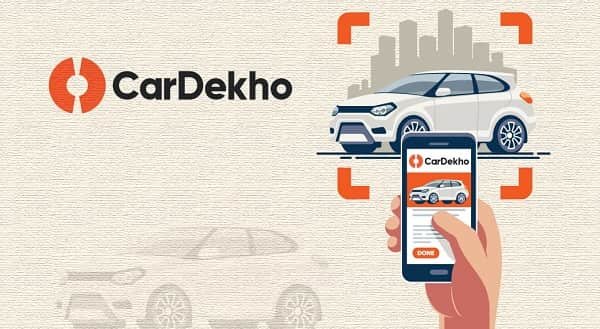
CarDekho helps people research, compare, buy, finance and sell vehicles through a single digital platform. A potential buyer can check car prices, specifications, expert reviews, photographs, videos, mileage information and dealer offers before visiting a showroom.
The platform does not manufacture the vehicles displayed on its website. It primarily connects interested buyers with automobile manufacturers, dealerships, used-car sellers, lenders and other service providers.
CarDekho’s core business earns money by generating customer leads for dealerships and manufacturers, selling digital advertisements and providing paid software and listing tools to automotive businesses. The wider CarDekho Group also earns from vehicle financing, insurance distribution, auctions, shared mobility and international automotive platforms.
CarDekho Company Quick Overview
| Particular | Details |
| Brand name | CarDekho |
| Legal parent company | Girnar Software Private Limited |
| Founded | 2008 |
| Founders | Amit Jain and Anurag Jain |
| Headquarters | Jaipur, Rajasthan |
| Co-founder and CEO | Amit Jain |
| Industry | Automotive technology and online marketplaces |
| Core business model | Lead generation, advertising and automotive services |
| Main users | Car buyers, sellers, dealers, manufacturers and financial institutions |
| Major group businesses | CarDekho, BikeDekho, ZigWheels, Rupyy, InsuranceDekho, Revv and Carrum |
| Dealer relationships | More than 4,000 dealers |
| FY2025 group revenue | Approximately ₹2,795 crore |
| FY2025 standalone revenue | More than ₹1,000 crore |
CarDekho was founded by brothers Amit Jain and Anurag Jain after they visited the Auto Expo in 2008 and noticed that Indian buyers lacked an organised source of detailed automobile information. The platform now works with thousands of automobile dealers and several financial institutions.
What Is the CarDekho Business Model?
CarDekho follows an automotive marketplace and lead-generation model. It brings vehicle-related information and services together but does not normally become the seller of every car displayed on the platform.
A customer researching a new car can compare models and submit an enquiry. CarDekho forwards the enquiry to a nearby dealership or vehicle manufacturer. The dealer can then contact the customer, arrange a test drive and attempt to complete the sale.
In the used-car segment, individuals and dealers can list vehicles for sale. Ordinary private listings may be free, while professional dealers can purchase paid listing packages, premium visibility and business tools.
The wider group has built additional businesses around the same customer journey. A person searching for a car may also require financing, insurance, vehicle inspection or mobility services.
How Does CarDekho Make Money?
1. Lead-Generation Fees from Car Dealers
Lead generation is one of CarDekho’s oldest and most important revenue sources.
When someone searches for a new car and submits contact details, CarDekho can send that enquiry to an authorised dealership. The dealer pays CarDekho under a subscription, lead package or other commercial arrangement.
The dealer is paying for access to a potential buyer rather than for the completed car itself. CarDekho may earn even when the customer enquires but eventually decides not to purchase the vehicle.
High-quality leads are valuable because the customer has already selected a model, location or budget and is more likely to visit a showroom than someone who has only seen a general advertisement.
CarDekho’s original business model was built around generating new- and used-car leads and selling media space on its automotive websites.
2. Advertising from Automobile Manufacturers
Car manufacturers pay CarDekho to promote vehicles through banners, sponsored pages, launch campaigns, videos and search placements.
Automotive advertising is particularly valuable because users visiting CarDekho are often actively considering a purchase. A manufacturer can promote a new model to people comparing vehicles in the same price range or category.
CarDekho can also create branded content, launch pages, road-test videos and digital campaigns. The payment may depend on impressions, clicks, leads, campaign duration or a customised marketing agreement.
Advertising allows the platform to earn from visitors even when they do not immediately submit an enquiry or purchase a car.
3. Dealer Subscriptions and Software Services
CarDekho provides technology products that help dealers manage inventory, customer enquiries and sales performance.
These services can include:
- Lead-management software
- Digital marketing support
- Virtual showrooms
- Call-tracking systems
- Inventory-management tools
- Sales-performance dashboards
- Websites and cloud-based dealer solutions
Dealers may pay monthly subscriptions, annual fees or service charges for these products. The software improves CarDekho’s relationship with dealerships because the company becomes part of their everyday sales process rather than merely sending an occasional lead.
CarDekho officially describes its dealer products as including sales applications, cloud services, call tracking, digital marketing and outsourced lead-management support.
4. Paid Used-Car Listings and Premium Visibility
Private sellers can generally list a limited number of vehicles without paying a commission. This free access creates a wide selection of used cars and attracts potential buyers.
Professional dealers, however, need to display several vehicles at the same time. They may purchase subscription packages that allow more listings and provide greater visibility.
CarDekho also offers premium listing products designed to generate more views and customer leads. A dealer may pay to place selected inventory more prominently, especially when trying to sell an older or slow-moving vehicle.
The platform therefore does not need to deduct a commission from every private sale. It can monetise professional sellers through subscriptions, premium listings and dealer services.
5. Used-Vehicle Inspections and Auctions
CarDekho provides vehicle-inspection, valuation and auction services for consumers, dealers, banks, insurance companies, leasing companies and other businesses.
A car may be inspected to determine its condition and estimated market value before it is listed or offered to dealers. Commercial buyers can participate in CarDekho Auctions after completing registration and paying applicable charges or deposits.
The auction platform supports cars, two-wheelers, commercial vehicles, construction equipment and other vehicle categories. CarDekho can earn registration, inspection, auction, documentation or transaction-related fees according to the service arrangement.
The company has reduced its dependence on an asset-heavy model in which it purchased and held large quantities of used-car inventory. This lowers the risk of vehicles losing value while remaining unsold.
6. Vehicle-Loan Distribution Through Rupyy
Rupyy is the CarDekho Group’s digital lending platform. It helps customers compare and apply for new-car, used-car, two-wheeler, commercial-vehicle and personal loans.
Banks and non-banking financial companies provide most of the actual loans. Rupyy supplies customer leads, supports documentation and connects dealers with lending partners.
The group can earn sourcing, processing, technology or servicing fees when a loan is successfully approved and disbursed. The full loan amount does not become CarDekho’s revenue.
Rupyy facilitated approximately ₹16,000 crore in loan disbursements during FY2025 across several loan categories.
7. Insurance Commissions Through InsuranceDekho
InsuranceDekho distributes motor, health, life and other insurance products from participating insurers.
When a customer purchases or renews an eligible policy, the insurer can pay InsuranceDekho a permitted brokerage or distribution commission. The premium itself largely belongs to the insurance company that issues the policy and bears the claim risk.
InsuranceDekho operates as a licensed composite insurance broker and has expanded beyond motor insurance into individual and corporate protection products.
This business fits naturally with CarDekho because almost every vehicle owner requires motor insurance and annual renewals can produce recurring commission income.
8. Shared Mobility and Fleet Management
The wider CarDekho Group operates mobility businesses such as Revv and Carrum.
Revv offers self-drive and subscription-based mobility services. It earns from rental and subscription payments made by customers using its vehicles.
Carrum manages vehicle fleets and works with mobility platforms, including premium ride services. Revenue can come from vehicle rentals, fleet-management contracts and the amount generated through vehicles placed on ride-hailing platforms.
During FY2025, Revv operated in 16 cities, while Carrum managed more than 1,500 vehicles across major urban markets.
9. International Automotive Platforms
CarDekho Group operates automotive websites and digital services outside India through brands such as OTO, Carmudi and ZigWheels.
These businesses can earn through dealer leads, advertisements, vehicle listings, financial-product distribution and technology services in their respective countries.
International expansion diversifies revenue, but it also creates costs related to local employees, marketing, regulations and competition. CarDekho’s overseas operations have included markets in Southeast Asia and the Middle East.
Does CarDekho Earn a Commission on Every Car Sale?
No. CarDekho does not necessarily receive a percentage of every vehicle’s final selling price.
A private seller can list a car and connect directly with interested buyers without paying a sale commission under the standard listing model. CarDekho primarily earns through dealer packages, leads, advertisements, inspections and other paid services.
In financing, insurance, auctions and managed transactions, the company or its group businesses may earn commissions or service fees according to separate commercial arrangements.
Major Costs in the CarDekho Business Model
CarDekho’s major expenses include employee salaries, technology, cloud infrastructure, marketing and customer support.
The company also spends on:
- Vehicle inspectors and valuation teams
- Dealer sales and relationship managers
- Software development and cybersecurity
- Advertising and promotional campaigns
- Loan-processing and insurance-distribution support
- Fleet maintenance in mobility businesses
- International operations and acquisitions
Marketing and employee expenses are particularly significant because the group operates several consumer and business platforms.
Latest Financial Performance
CarDekho Group reported consolidated revenue of approximately ₹2,795 crore in FY2025, compared with ₹2,250 crore in the previous year. Its loss, excluding exceptional items and the share of losses from associates, narrowed to approximately ₹266 crore.
The standalone operation, which includes the core automotive classifieds and financing activities, generated more than ₹1,000 crore in revenue and remained profitable. Profitability in the auto-classifieds business improved by around 60% during the year.
The group’s losses mainly reflected continued investment in businesses such as insurance and international expansion. Complete FY2025–26 audited financial results were not publicly available at the time of writing.
Why the CarDekho Business Model Works
Buying a vehicle involves several decisions. Customers need information about prices, specifications, dealers, loans, insurance and resale value.
CarDekho brings these activities together. Free information attracts a large audience, while dealers, manufacturers, lenders and insurers pay for access to customers who are actively considering a transaction.
The platform also benefits from a network effect. More vehicle listings and dealer partners attract more buyers, while greater customer traffic encourages more automotive businesses to join.
Challenges Facing CarDekho
CarDekho competes with CarWale, Spinny, Cars24, OLX and vehicle manufacturers’ own digital platforms.
The company must maintain the quality of leads supplied to dealers. Dealers may reduce spending when they receive duplicate, inaccurate or low-intent enquiries.
Used-car transactions create additional risks related to vehicle condition, ownership documents, accident history and pricing. CarDekho must also balance investment in insurance, finance and mobility services with the need to improve consolidated profitability.
Conclusion
CarDekho makes money mainly by generating leads for automobile dealers, selling advertisements to manufacturers and providing subscriptions and technology tools to dealerships.
Paid used-car listings, vehicle inspections, auctions, loan distribution and insurance commissions create additional revenue. The wider group also earns from shared mobility, fleet management and international automotive platforms.
Its business model works because free car information attracts buyers, while businesses pay to reach those customers. Future growth will depend on improving lead quality, expanding financial services and controlling losses in newer group businesses.
FAQs
Q: Does CarDekho sell new cars directly?
A: CarDekho usually connects customers with authorised dealerships. The dealer issues the invoice, completes registration and delivers the vehicle.
Q: Can an individual list a used car for free?
A: Yes, standard private listings may be free within the platform’s applicable limits. Paid premium options can be purchased for greater visibility.
Q: Does CarDekho decide the final price of a used car?
A: No. CarDekho may provide an estimated valuation, but the buyer and seller normally negotiate and decide the final amount.
Q: Are loans displayed on CarDekho provided by CarDekho itself?
A: Not always. Most loan offers are provided by partner banks and NBFCs. CarDekho or Rupyy helps customers compare options and complete the application process.
Q: Does CarDekho guarantee that every listed vehicle is problem-free?
A: No. The platform may offer inspections or certified listings, but buyers should examine the vehicle, documents, service history and applicable warranty before paying.