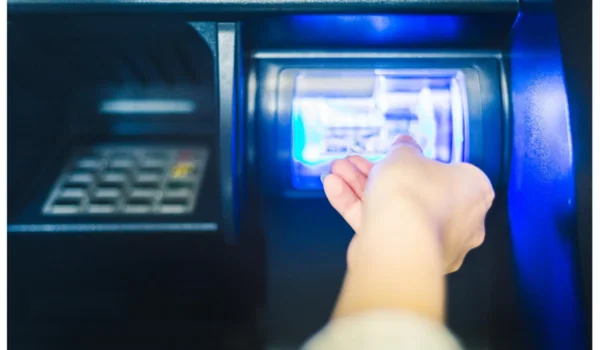
Retail businesses continue to evolve as customer preferences and payment methods change. While digital transactions have become increasingly common, cash remains an essential payment option for millions of consumers. For many businesses, offering convenient access to cash through an ATM can enhance customer experience and support smoother transactions. An ATM for retailers is more than just a cash withdrawal point—it is a valuable addition that helps meet customer needs while complementing daily business operations.
As consumer expectations continue to grow, retailers are looking for practical ways to improve convenience without disrupting existing workflows. Installing an ATM is one approach that supports accessibility, reduces customer inconvenience, and contributes to a seamless shopping experience. Understanding the role of retail ATMs can help business owners make informed decisions about incorporating them into their establishments. ATMs continue to provide essential banking services such as cash withdrawals, balance inquiries, PIN changes, and even cardless cash withdrawals, making them a convenient resource for customers.
Why Retail Businesses Continue to Benefit from ATMs
Although cashless payment methods are expanding, cash continues to play an important role across various retail sectors. Many customers still prefer cash for everyday purchases, budgeting, or situations where digital payments may not be practical.
Installing an ATM for retailers ensures customers have immediate access to cash without leaving the premises. This added convenience can improve the overall shopping experience and reduce the likelihood of customers abandoning purchases due to insufficient cash on hand.
Retail locations that provide easy access to financial services often become more convenient destinations for shoppers seeking both products and essential banking services.
Key Advantages of Retail ATMs
Improved Customer Convenience
One of the primary reasons businesses install retail ATMs is to provide customers with quick and reliable access to cash. Instead of searching for an off-site ATM, shoppers can withdraw cash while visiting the store.
This convenience helps create a more efficient shopping experience, particularly in areas where nearby banking facilities may be limited.
Increased Foot Traffic
Retail locations offering ATM services may attract additional visitors who require cash access. Customers visiting specifically to use the ATM may also choose to browse products or make purchases during their visit.
Research has shown that convenient in-store ATM access can positively influence customer visits and purchasing behavior.
Support for Cash Transactions
Many businesses continue to serve customers who prefer paying with cash. An ATM for retailers helps ensure that customers can easily obtain cash without leaving the location, making transactions more convenient for both shoppers and businesses.
Important Features to Consider
When evaluating an ATM for a retail environment, several factors should be considered.
Security
Modern ATM machines incorporate advanced security measures, including encrypted communication, secure PIN technology, anti-tampering systems, and reinforced cash storage.
Choosing equipment that complies with current financial security standards helps protect both operators and customers.
Reliability
Reliable operation is essential in retail environments where customer convenience is a priority. Durable hardware, stable connectivity, and regular maintenance contribute to consistent performance and reduced downtime.
Ease of Use
Simple user interfaces and clear transaction instructions improve accessibility for customers of varying experience levels. An intuitive design allows transactions to be completed quickly and efficiently.
Choosing the Right ATM Location
The placement of an ATM within a retail space significantly affects its accessibility and visibility.
Common placement considerations include:
- Near the main entrance
- Close to checkout areas
- Easily visible from customer walkways
- Adequate lighting
- Sufficient privacy for users
Proper placement encourages usage while maintaining customer comfort and security.
Maintenance and Ongoing Operations
Regular maintenance plays a vital role in ensuring consistent ATM performance.
Typical maintenance activities include:
- Cash replenishment
- Receipt paper replacement
- Software updates
- Hardware inspections
- Preventive servicing
Routine maintenance helps minimize downtime and ensures customers can rely on uninterrupted service.
Compliance and Industry Standards
Retail ATMs must operate according to applicable banking regulations and payment network requirements.
In many regions, ATMs support services beyond cash withdrawal, including balance inquiries, mini statements, bill payments, and PIN management. Regulatory authorities continue to establish standards that promote secure and reliable ATM operations.
Business owners should ensure that any installed ATM meets the latest compliance requirements for security, accessibility, and transaction processing.
The Future of Retail ATM Technology
ATM technology continues to advance with features designed to improve convenience and efficiency.
Emerging capabilities include:
- Contactless transactions
- Cardless cash withdrawals
- QR code authentication
- Remote monitoring
- Enhanced cybersecurity
- Cash recycling technology
As these innovations become more widely adopted, businesses selecting an ATM for retailers can benefit from choosing systems that support future software and hardware updates.
Conclusion
Retail businesses continue to balance evolving customer expectations with practical service offerings. Providing convenient access to cash remains valuable in many commercial environments, particularly where customers frequently use cash for purchases. Choosing the right ATM for retailers involves evaluating security, reliability, compliance, ease of use, and future scalability to ensure long-term operational efficiency. Businesses exploring cash access solutions should also carefully evaluate available ATM machines for sale before making a long-term investment. By understanding these important considerations, business owners can make informed decisions that align with customer needs and support a better in-store experience.