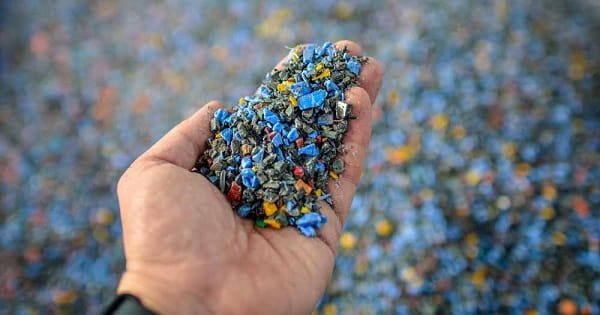
India generates massive amounts of plastic waste every single day. From water bottles and food packaging to industrial containers, shopping bags, household products, and e-commerce packaging, plastic has become deeply integrated into modern life. But alongside this convenience, plastic waste has also become one of the country’s biggest environmental and waste-management challenges.
For years, plastic recycling in India was largely handled by the informal sector through scrap collectors and local recycling units. Today, however, the industry is changing rapidly.
Governments, corporations, manufacturers, and consumers are all under increasing pressure to reduce waste and support sustainable practices. At the same time, recycled plastic has become a valuable industrial raw material used in packaging, construction, textiles, furniture, automotive parts, and consumer products.
This shift has transformed plastic recycling from a low-profile scrap business into a fast-growing industrial opportunity connected to sustainability, manufacturing, and circular economy trends.
Unlike many trend-driven industries, plastic recycling solves a real and growing national problem while also creating commercial value from waste.
A Business Connected to Waste Management and Sustainability
India’s recycling industry continues growing because plastic consumption itself remains extremely high.
Several factors continue driving market demand:
- Rising plastic waste generation
- Government focus on recycling and sustainability
- Demand for recycled raw materials
- Growth of packaging industries
- Increasing environmental awareness
- Expansion of manufacturing sectors
Many industries today actively use recycled plastic to reduce costs and improve sustainability positioning.
Types of Plastic Recycling Businesses
PET Bottle Recycling
Recycling water bottles and beverage containers.
Plastic Granule Manufacturing
Converting waste plastic into reusable industrial granules.
Industrial Plastic Recycling
Handling factory and manufacturing plastic scrap.
E-Waste and Plastic Separation Recycling
Recovering plastic from electronic waste.
Packaging Plastic Recycling
Processing flexible packaging and commercial plastic waste.
Recycled Plastic Product Manufacturing
Making furniture, buckets, pipes, tiles, and utility products from recycled material.
Investment Required: Moderate to High
The investment depends heavily on processing scale and machinery.
A small plastic recycling setup may require ₹10–30 lakh including:
- Shredding machines
- Washing systems
- Granule-making machines
- Sorting equipment
- Factory or shed setup
- Labour and transportation
A medium-to-large automated recycling plant may require ₹1 crore–₹10 crore or more depending on technology and production capacity.
Waste collection systems are also extremely important in this business.
Raw Materials Used
Common recyclable materials include:
- PET bottles
- HDPE plastic
- LDPE plastic
- Polypropylene
- Industrial plastic scrap
- Packaging waste
Sorting quality directly affects recycling efficiency and product value.
Revenue and Profit Potential
Plastic recycling can become highly profitable because recycled plastic remains in continuous industrial demand.
Revenue sources may include:
- Plastic granule sales
- Industrial scrap processing
- Recycled plastic product manufacturing
- Packaging-industry supply
- Government recycling contracts
- Waste management partnerships
For example:
- PET recycling often generates strong recurring demand.
- Plastic granules are widely used in manufacturing industries.
- Recycled-product manufacturing improves value addition significantly.
A well-managed recycling business can generate substantial monthly revenue. Net profit margins generally range between 15–35% depending on material sourcing, machine efficiency, and electricity costs.
Businesses with strong scrap collection networks often perform especially well.
What Makes This Business Successful
Efficient Waste Collection Network
Consistent raw-material supply is extremely important.
Proper Sorting and Cleaning
Better-quality recycled material improves selling price.
Machine Efficiency
Operational downtime can reduce profitability significantly.
Industrial Buyer Relationships
Manufacturers and packaging companies create stable demand.
Compliance and Environmental Standards
Recycling businesses increasingly face regulatory scrutiny.
Challenges to Prepare For
Waste Segregation Problems
Mixed plastic waste can reduce processing efficiency.
Raw Material Price Fluctuation
Scrap plastic rates may vary significantly.
High Electricity and Maintenance Costs
Machines often consume heavy power.
Environmental Compliance
Waste-processing businesses require proper permissions and safety systems.
Competition From Informal Recycling Sector
Small unorganized operators often compete aggressively on pricing.
Businesses that focus on quality recycled output and reliable industrial supply usually scale better long term.
How to Increase Profitability
Add Plastic Granule Production
Granules usually provide stronger margins than basic scrap processing.
Build Direct Industrial Partnerships
Manufacturers create recurring demand for recycled material.
Invest in Better Sorting Technology
Higher-quality output improves pricing power.
Expand Into Recycled Product Manufacturing
Value-added products improve profitability significantly.
Partner With Municipal and Waste Collection Systems
Steady plastic supply improves operational stability.
Plastic Recycling vs Scrap Trading Business
Scrap trading businesses mainly buy and sell waste materials. Plastic recycling businesses process waste into reusable industrial raw materials or finished products.
This creates stronger manufacturing value addition and long-term industrial demand.
However, machinery investment and operational complexity are also much higher.
The Future of Plastic Recycling Business in India
The future looks extremely strong. India’s plastic consumption continues growing, while environmental regulations and sustainability awareness are also increasing rapidly.
Large companies are increasingly under pressure to use recycled materials and improve waste-management practices.
At the same time, recycled plastic applications in textiles, construction materials, automotive components, and packaging are expanding steadily.
The Verdict: A Sustainability-Driven Industrial Business With Long-Term Potential
Plastic recycling is no longer viewed simply as a waste-handling activity. It has evolved into an important industrial sector connected closely to manufacturing, sustainability, and environmental management.
Entrepreneurs who build strong waste-sourcing systems, efficient processing operations, quality control, and industrial buyer networks often create highly scalable businesses with stable long-term demand.
In a country where plastic consumption remains massive and sustainability concerns continue rising every year, plastic recycling is likely to remain one of India’s most important and future-relevant industrial business opportunities.
Frequently Asked Questions (FAQs)
Q1. Which plastic materials are most profitable to recycle?
A: PET bottles, HDPE plastics, industrial scrap, and high-quality packaging plastics often provide strong recycling value.
Q2. Why is sorting so important in plastic recycling?
A: Proper segregation improves recycling quality, machine efficiency, and final product pricing.
Q3. Is government support increasing for recycling businesses in India?
A: Yes. Sustainability initiatives and waste-management policies are gradually encouraging organized recycling operations.
Q4. What is the biggest challenge in plastic recycling?
A: Maintaining consistent raw-material supply and handling mixed plastic waste are major challenges.
Q5. Can small recycling units compete against large plants?
A: Absolutely. Many smaller businesses succeed through strong local scrap collection networks and specialized recycling categories.
Q6. Is recycled plastic really used by large industries?
A: Yes. Packaging, textiles, construction, automotive, and manufacturing industries increasingly use recycled plastic materials today.