In the corporate world, large businesses often operate through multiple companies instead of running everything under one entity. One common structure used by corporations is the subsidiary company model.
Many well-known Indian and global business groups own dozens of subsidiaries across industries like finance, technology, retail, telecom, manufacturing, and media. These structures help companies expand operations, manage risks, enter new markets, and organize businesses more efficiently.
Understanding how subsidiary companies work is important for investors, business owners, students, and anyone learning about corporate structures.
What Is a Subsidiary Company?
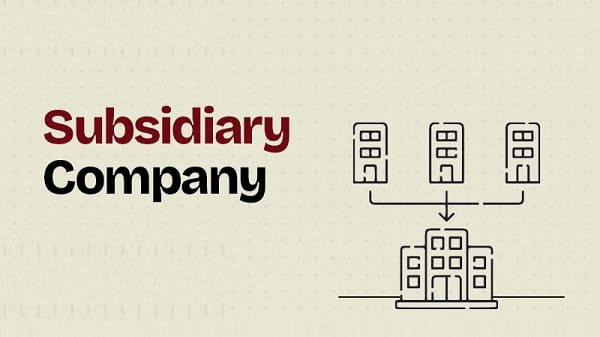
A subsidiary company is a company that is controlled by another company, known as the parent company or holding company.
The parent company usually controls the subsidiary through ownership of:
- More than 50% of voting shares
or - Majority control over the board of directors
Even though the parent company controls it, the subsidiary remains a separate legal entity.
This means the subsidiary can:
- Own assets
- Enter contracts
- File taxes
- Sue or be sued independently
Meaning of Parent Company
A parent company is the company that owns or controls the subsidiary.
Large business groups often operate through parent-subsidiary structures to manage multiple businesses under one corporate network.
For example, a parent company may own separate subsidiaries for:
- Retail operations
- Financial services
- Technology platforms
- Manufacturing units
This creates operational separation while maintaining overall control.
How Subsidiary Ownership Works
The parent company may own:
- 100% of the subsidiary
or - A majority controlling stake
Wholly Owned Subsidiary
If the parent owns 100% of the shares, it is called a wholly owned subsidiary.
Partly Owned Subsidiary
If outside investors also own shares but the parent still has majority control, it remains a subsidiary company.
Legal Status of a Subsidiary
One important concept is that a subsidiary has a separate legal identity.
Even though it is controlled by the parent company, legally it operates as its own company.
This separation can help:
- Protect assets
- Reduce legal risks
- Manage liabilities separately
- Simplify taxation structures in some cases
However, parent companies may still face indirect financial or reputational impact if subsidiaries perform poorly.
Subsidiary Companies Under Indian Law
In India, subsidiary companies are governed under the Companies Act 2013.
According to the Act, a company becomes a subsidiary if another company:
- Controls the composition of its board of directors
or - Exercises or controls more than half of its total voting power
The law also recognizes layers of subsidiaries and holding company relationships.
Why Companies Create Subsidiaries
Businesses create subsidiaries for several strategic reasons.
Expansion Into New Industries
A company may launch a subsidiary to enter a completely different business sector.
For example:
- A telecom company may start a fintech subsidiary
- A retail group may create an e-commerce subsidiary
This allows specialized management for each business segment.
Risk Separation
Keeping operations in separate subsidiaries can reduce risk exposure.
If one subsidiary faces financial problems or lawsuits, other businesses under the group may remain protected legally.
Tax and Regulatory Management
Some companies create subsidiaries for:
- Tax planning
- Regulatory compliance
- International operations
Different business activities may require separate legal structures under regulations.
Brand Management
Large corporations sometimes maintain separate subsidiaries for different brands and products.
This allows:
- Independent branding
- Different marketing strategies
- Separate financial reporting
Joint Ventures and Partnerships
Subsidiaries are often used for partnerships between companies.
Two firms may jointly create a subsidiary for a specific project or market.
Examples of Subsidiary Structures
Many major corporations operate through subsidiary networks.
For example:
- Reliance Industries operates multiple businesses across telecom, retail, media, and energy sectors through various subsidiaries
- Tata Group controls companies across automobiles, IT, steel, hospitality, and finance
Global technology firms also use subsidiaries extensively in different countries.
Difference Between Holding Company and Subsidiary
These terms are closely related but different.
1. Holding Company
A holding company mainly exists to own and control other companies.
2. Subsidiary Company
A subsidiary is the company being controlled by the holding company.
A business group may contain:
- One holding company
- Multiple subsidiaries
- Step-down subsidiaries
What Is a Step-Down Subsidiary?
A step-down subsidiary is a subsidiary owned indirectly through another subsidiary.
For example:
- Company A owns Company B
- Company B owns Company C
In this case:
- Company B is a subsidiary of Company A
- Company C becomes a step-down subsidiary of Company A
Large multinational groups often use multi-layered structures like this.
Advantages of Subsidiary Structures
1. Better Risk Management
Liabilities can sometimes remain limited to specific entities.
2. Operational Flexibility
Different businesses can operate independently.
3. Easier Expansion
Companies can enter new sectors without disturbing core operations.
4. Specialized Management
Each subsidiary can focus on its own industry or business model.
Disadvantages of Subsidiary Structures
1. Complex Compliance
Managing multiple legal entities increases compliance and reporting responsibilities.
2. Higher Administrative Costs
Separate accounting, taxation, and audits may be required.
3. Governance Challenges
Large corporate structures may become difficult to supervise effectively.
4. Regulatory Scrutiny
Complex ownership structures sometimes attract regulatory attention regarding transparency and taxation.
Subsidiaries and Foreign Companies
Foreign companies entering India often establish Indian subsidiaries.
This allows them to:
- Operate locally
- Hire employees
- Open offices
- Conduct business under Indian regulations
Many multinational companies prefer subsidiary structures instead of operating directly from overseas headquarters.
Role of Subsidiaries in Startups
Modern startups also use subsidiary models.
For example:
- One entity may handle intellectual property
- Another may manage operations in different countries
- Separate subsidiaries may handle payments or logistics
As startups grow internationally, corporate structures become more complex.
The Future of Corporate Structures in India
As Indian businesses expand globally, subsidiary structures are becoming increasingly common.
Sectors like:
- Technology
- Fintech
- Manufacturing
- Retail
- Renewable energy
often operate through multiple subsidiaries for strategic and regulatory reasons.
Digital compliance systems and stronger corporate governance rules are also increasing transparency around corporate ownership structures.
FAQs
Q: What is a subsidiary company?
A: A subsidiary company is a company controlled by another company called the parent or holding company.
Q: Does a subsidiary have a separate legal identity?
A: Yes. A subsidiary operates as a separate legal entity even though it is controlled by the parent company.
Q: What is a wholly owned subsidiary?
A: A wholly owned subsidiary is a company whose entire ownership is held by the parent company.
Q: Which law governs subsidiary companies in India?
A: Subsidiary companies in India are governed under the Companies Act 2013.
Q: What is the difference between a holding company and a subsidiary?
A: A holding company controls other companies, while a subsidiary is the company being controlled.