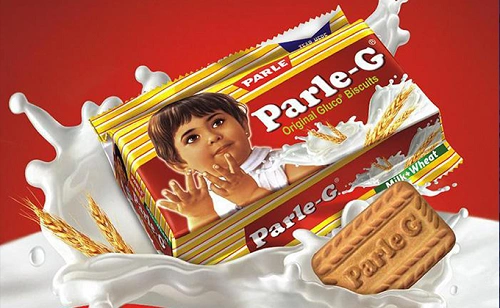
Parle-G is not just a biscuit brand in India; it is a shared memory. For decades, it has been the first biscuit a child eats, the cheapest snack a household trusts, and a symbol of value during economic uncertainty. While the FMCG market has become crowded with premium cookies, health snacks, and global brands, Parle-G continues to dominate on one powerful factor: mass trust at scale.
By 2026, Parle-G operates in a very different environment than the one that built its legend. Input costs are volatile, consumer preferences are shifting, and competition is sharper than ever. Yet Parle-G remains one of the highest-volume biscuit brands in the world. This SWOT analysis offers a professional, grounded, and 2026-relevant assessment of Parle-G’s strategic position.
Company overview
| Aspect | Details |
| Company | Parle Products |
| Flagship brand | Parle-G |
| Founded | 1929 |
| Founder | Mohanlal Dayal Chauhan |
| Headquarters | Mumbai, Maharashtra, India |
| Industry | FMCG – biscuits & confectionery |
| Core products | Glucose biscuits, cookies, snacks |
| Market presence | Pan-India + exports |
| Business model | High-volume, value-driven FMCG |
| Brand positioning | Affordable nutrition & trust |
Strengths
Unmatched brand recall and trust
Parle-G enjoys near-universal recognition in India. It is one of the few FMCG products that transcends income levels, geography, and generations. This emotional connection translates into default purchasing behavior, especially during inflationary periods.
World-scale volumes and market leadership
Parle-G consistently ranks among the top-selling biscuit brands globally by volume. Its sheer scale allows it to negotiate better raw material sourcing, logistics efficiencies, and distribution reach that few competitors can match.
Strong value positioning
In a price-sensitive country like India, Parle-G’s affordability is its biggest weapon. Even when consumers trade down, Parle-G often becomes the fallback choice, protecting volumes during economic slowdowns.
Deep rural and semi-urban penetration
Parle-G has exceptional reach in villages, small towns, and low-income urban areas. Its presence in kirana stores and wholesale channels ensures availability where premium brands struggle to penetrate.
Lean and efficient operating model
Parle Products operates with a focused product strategy and cost discipline, avoiding excessive marketing spends while relying on distribution muscle and brand legacy.
Weaknesses
Overdependence on a single flagship brand
A significant share of Parle Products’ biscuit revenue is driven by Parle-G. This concentration increases risk if consumer preferences shift sharply away from glucose biscuits.
Thin margins due to value pricing
Parle-G operates on very low per-unit margins. Rising input costs (wheat, sugar, palm oil, packaging) are difficult to pass on without affecting volumes.
Limited premium and health positioning
As consumers increasingly seek protein, fiber, low-sugar, or functional snacks, Parle-G’s traditional glucose positioning feels dated in urban markets.
Low innovation velocity
Compared to newer FMCG players, Parle-G’s product innovation and format experimentation remain conservative.
Opportunities
Continued demand for affordable nutrition
Despite premiumisation trends, a large segment of India still prioritizes price and satiety. Parle-G remains perfectly positioned to serve this base as inflation persists.
Rural consumption growth
Government spending, rural incomes, and population growth continue to support volume expansion in non-metro India—Parle-G’s strongest territory.
Line extensions without brand dilution
Carefully designed variants (added nutrients, fortified glucose, portion control packs) can modernize the brand while retaining its value promise.
Export growth in developing markets
Parle-G’s affordability and long shelf life make it suitable for export to Africa, Southeast Asia, and South Asia, where price sensitivity mirrors India.
Portfolio cross-leveraging
Parle Products can use Parle-G’s distribution strength to push other biscuits and snack brands more aggressively.
Threats
Rising raw material and packaging costs
Volatility in wheat, edible oils, sugar, and fuel continues to pressure margins. Sustained inflation threatens profitability in a low-price product like Parle-G.
Shift toward health-first snacking
Urban consumers are increasingly moving away from sugar-heavy products toward protein bars, baked snacks, and clean-label foods.
Intense competition from FMCG majors
Large FMCG companies aggressively target value segments with improved formulations, promotional pricing, and stronger marketing.
Private labels and local substitutes
Regional and private-label biscuits compete directly on price, especially in rural and wholesale markets.
Regulatory pressure on sugar and nutrition claims
Future labeling norms around sugar, calories, and nutrition may weaken Parle-G’s traditional “energy biscuit” narrative.
What this SWOT reveals about Parle-G
Parle-G’s greatest strength is cultural inevitability. It does not rely on trends, influencers, or novelty. It survives because it solves a basic need—cheap, filling food—better than almost anyone else.
However, this same strength limits upward mobility. Parle-G is built to protect volume, not margins. The challenge is relevance without losing identity.
Future outlook: Parle-G beyond 2026
Looking ahead, Parle-G is unlikely to lose its dominance in the value biscuit segment. Its role in India’s food ecosystem is too deeply entrenched. Growth will remain volume-led rather than margin-led.
The real opportunity lies in careful modernization—nutritional fortification, smarter pack sizes, and subtle repositioning—without alienating its loyal base. Parle-G does not need reinvention; it needs measured evolution.
In conclusion, Parle-G in 2026 stands as one of India’s most resilient FMCG brands—under pressure from modern preferences, yet structurally protected by trust, reach, and unmatched scale.