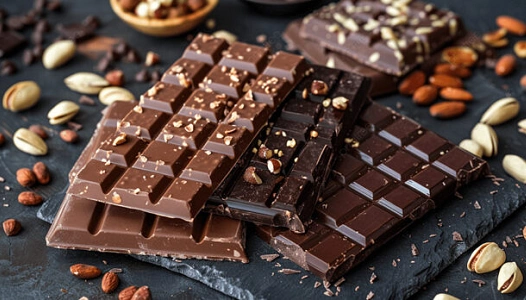
Chocolate remains one of the world’s most loved indulgences, deeply tied to gifting, celebrations, comfort eating, and impulse purchases. Demand is steady across age groups and geographies, and premiumisation continues to push value growth even when volumes soften. However, the industry is no longer driven only by taste and branding.
Rising cocoa prices, climate stress in cocoa-growing regions, stricter health labeling, and changing consumer expectations around sugar, sustainability, and ethics are reshaping how chocolate is produced, priced, and marketed. At the same time, innovation in dark chocolate, functional ingredients, portion control, and premium formats is opening new growth paths.
A SWOT analysis of the chocolate industry in 2026 helps explain how this balance between emotional demand and structural pressure is defining the future of one of the most resilient yet challenged segments in global food and FMCG.
Industry Overview
| Aspect | Details (2026 Forecast) |
| Market Valuation | Projected to reach $124 Billion (entering 2026) |
| CAGR (2026–2033) | Estimated at 4.25% to 4.98% |
| Growth Leader | Dark Chocolate (CAGR of 6.20%) |
| Regional Powerhouse | Asia-Pacific (Fastest growth at 5.86%) |
| Primary Trend | “Experience over Volume” (Premiumization) |
Strengths
- Iconic Emotional Moat: Chocolate remains a “recession-resistant” indulgence. In times of economic uncertainty, consumers view it as an affordable luxury that provides immediate emotional well-being.
- Rapid Premiumization Strategy: By 2026, brands have successfully moved consumers from “mass-market” bars to “origin-specific” and “artisanal” products. This shift has protected revenues even as sales volumes (tonnage) slightly dipped due to price hikes.
- Unmatched Gifting Culture: Chocolate has solidified its place as the default global currency for gifting, especially with the rise of Lunar New Year and Singles’ Day demand in Asia.
- Digital Discovery and D2C: E-commerce now accounts for 15–20% of total sales. Brands use social media (TikTok/Reels) to launch “viral” products (e.g., the Dubai Pistachio bar), bypassing traditional slow retail cycles.
Weaknesses
- Extreme Supply Chain Vulnerability: Over 60% of the world’s cocoa is sourced from just two nations (Ghana and Côte d’Ivoire). Climate volatility and “Swollen Shoot Virus” in 2025 have left the 2026 supply chain in a state of chronic fragility.
- The “Shrinkflation” Backlash: After years of reducing bar sizes to manage costs, brands are facing consumer fatigue. By 2026, “Shrinkflation” has become a PR risk, with customers demanding transparent pricing over smaller portions.
- Inelastic Pricing vs. Raw Material Spikes: While cocoa prices “corrected” from their $12,000/ton peak in 2024, they remain 3x higher than historical averages. Manufacturers struggle to pass these costs to the “Value” segment without losing customers.
- Health and Sugar Scrutiny: Growing obesity and diabetes concerns continue to pressure the “Milk Chocolate” segment, forcing a forced migration toward more expensive dark or sugar-free alternatives.
Opportunities
- Functional “Chocolate+” Revolution: By 2026, chocolate is being repositioned as a delivery vehicle for health. Infusions with adaptogens (Ashwagandha), probiotics, and collagen are turning chocolate from a “guilty pleasure” into a “functional snack.”
- Rise of Cocoa-Free Alternatives: Companies like ChoViva (using oats/sunflower) and lab-grown cocoa startups are gaining traction. These provide a high-margin, climate-resilient hedge for manufacturers against cocoa shortages.
- The “Plant-Based” Maturity: Vegan chocolate is no longer a niche. In 2026, “Mylk” chocolates (using oat or cashew milk) that replicate the creaminess of dairy have reached taste parity, capturing the flexitarian
- Sustainability as a Baseline (EUDR Compliance): The 2026 implementation of the EU Deforestation Regulation (EUDR) is an opportunity for transparent brands to gain market share by proving 100% traceability, effectively “weeding out” uncertified competitors.
Threats
- Structural Climate Change: Rising temperatures in West Africa are making 71% of current cocoa-growing areas unsuitable. Without massive investment in Agroforestry, a significant portion of the global supply may vanish by 2050.
- Aggressive Health Regulations: Front-of-pack labeling (FOPL) and “Sugar Taxes” in major markets like India, Mexico, and the UK are directly targeting the confectionery sector, threatening impulse-buy volumes.
- “Snack Migration”: As chocolate prices remain high, consumers are increasingly switching to cheaper alternatives like salty snacks, cookies, or localized traditional sweets, especially in developing economies.
- Compliance and Operational Costs: The cost of “Farm Mapping” and “Satellite Tracking” to meet new transparency laws is adding a new layer of fixed costs that small-scale chocolatiers may struggle to afford.
What this SWOT reveals about the Chocolate Industry in 2026
The industry is moving from quantity to quality. The “Golden Age” of cheap, mass-produced chocolate is over. Success in 2026 depends on Traceability (for the regulators), Functionality (for the health-conscious), and Innovation (for the viral-driven youth).
Future Outlook
Expect the “Mainstream” to become more “Premium.” Darker blends, smaller portions, and higher prices will be the norm. The brands that survive will be those that own their supply chains (like Ritter Sport’s own farms) or those that successfully market chocolate as a wellness tool rather than just a candy bar.